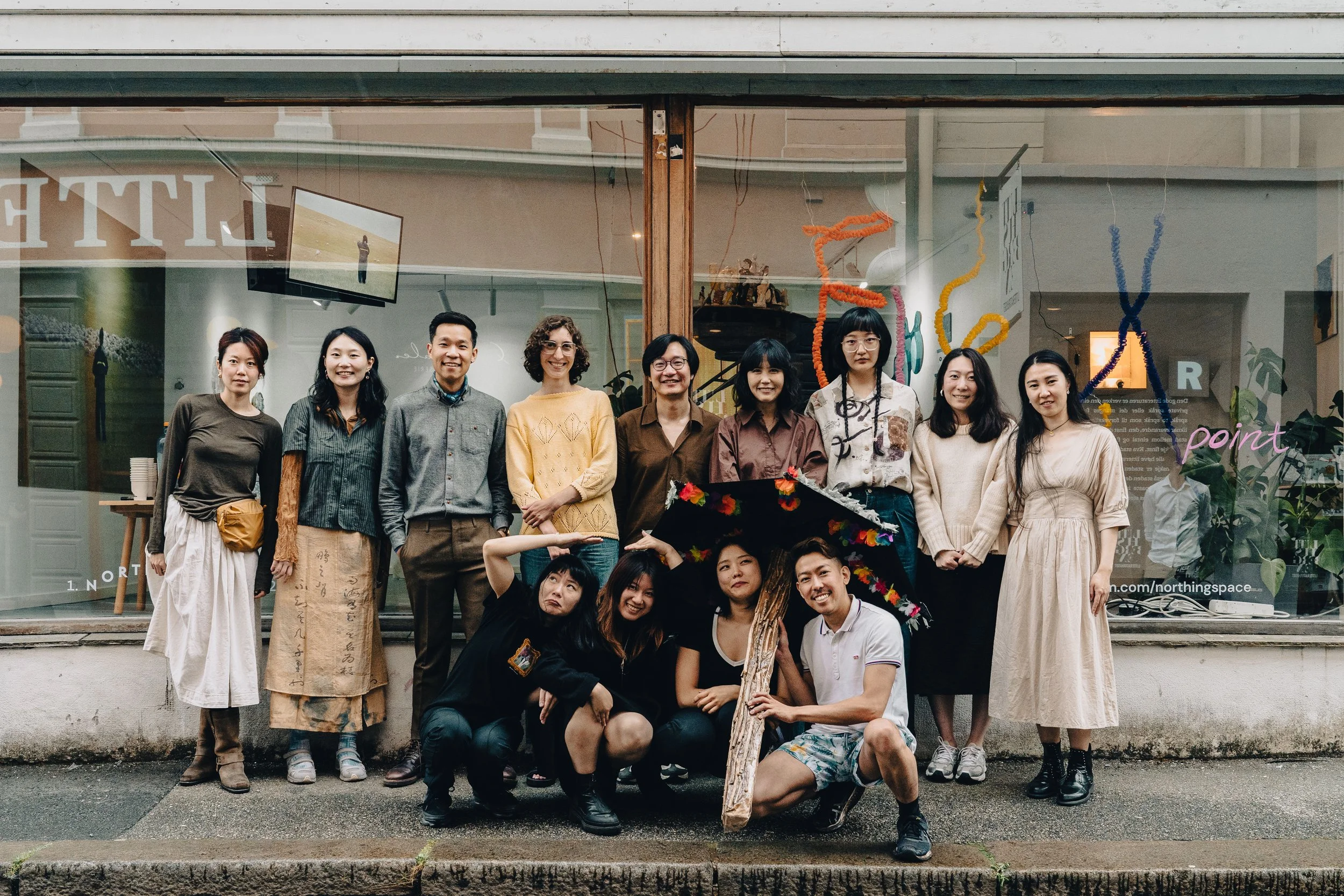
Flex Point

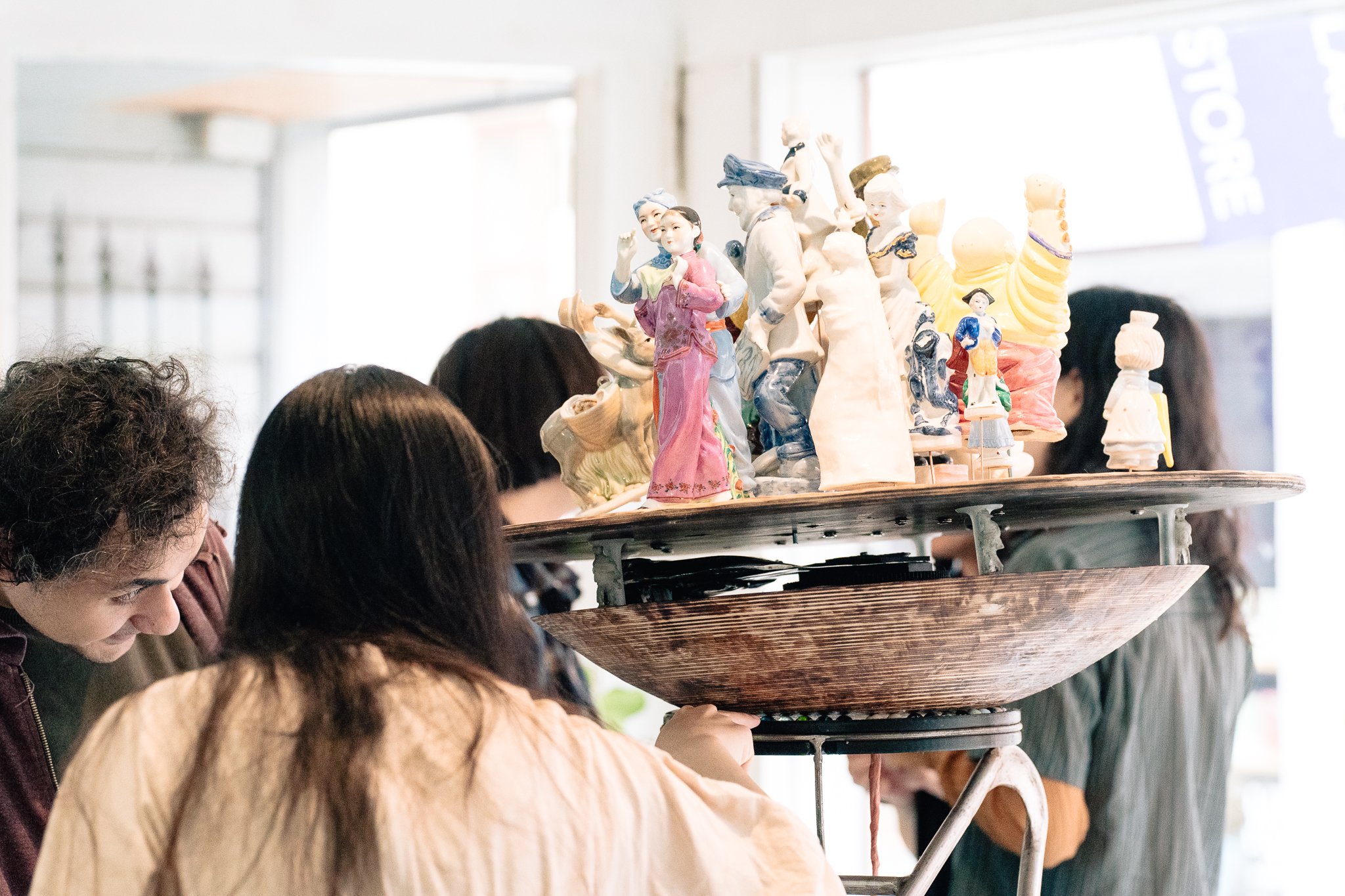
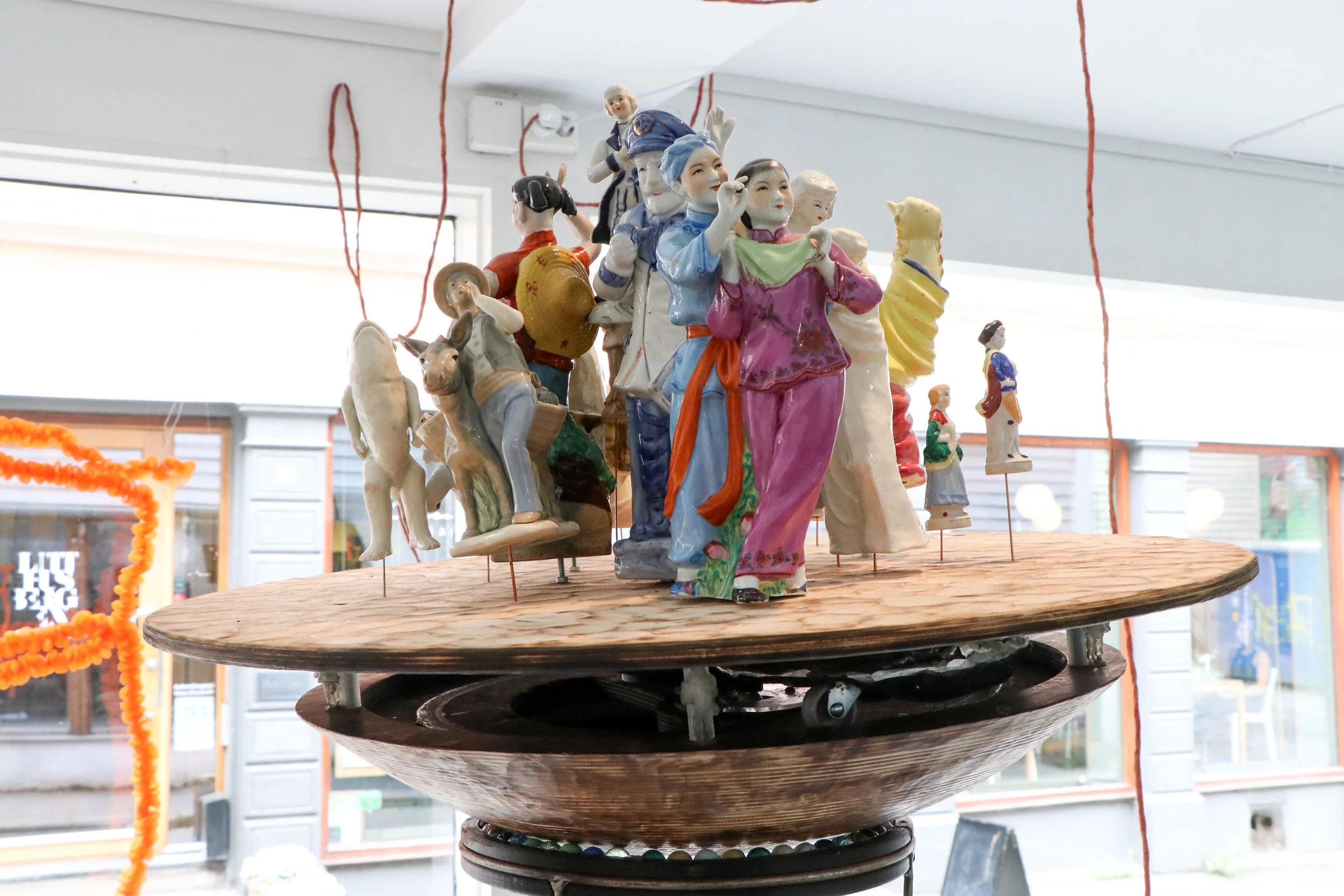
  • was born in Hong Kong, and currently living in Bergen, Norway. She received her bachelor degree in Visual Arts from the Academy of Visual Arts at Hong Kong Baptist University in 2018. She just graduated from the MFA program at MA Fine Arts at the Faculty of Fine Art, Music and Design at the University of Bergen.

    Yeung's works are usually in the form of sculpture or installation. Her inspirations are always from the observation of humans and their identity (socially and politically), sometimes her works ask questions as simple as "what it means to be a human?". Impacted by the social unrest in Hong Kong during 2019 and 2020, she started a series of political works as a record of the events that happened in the period and mockery of social injustice.

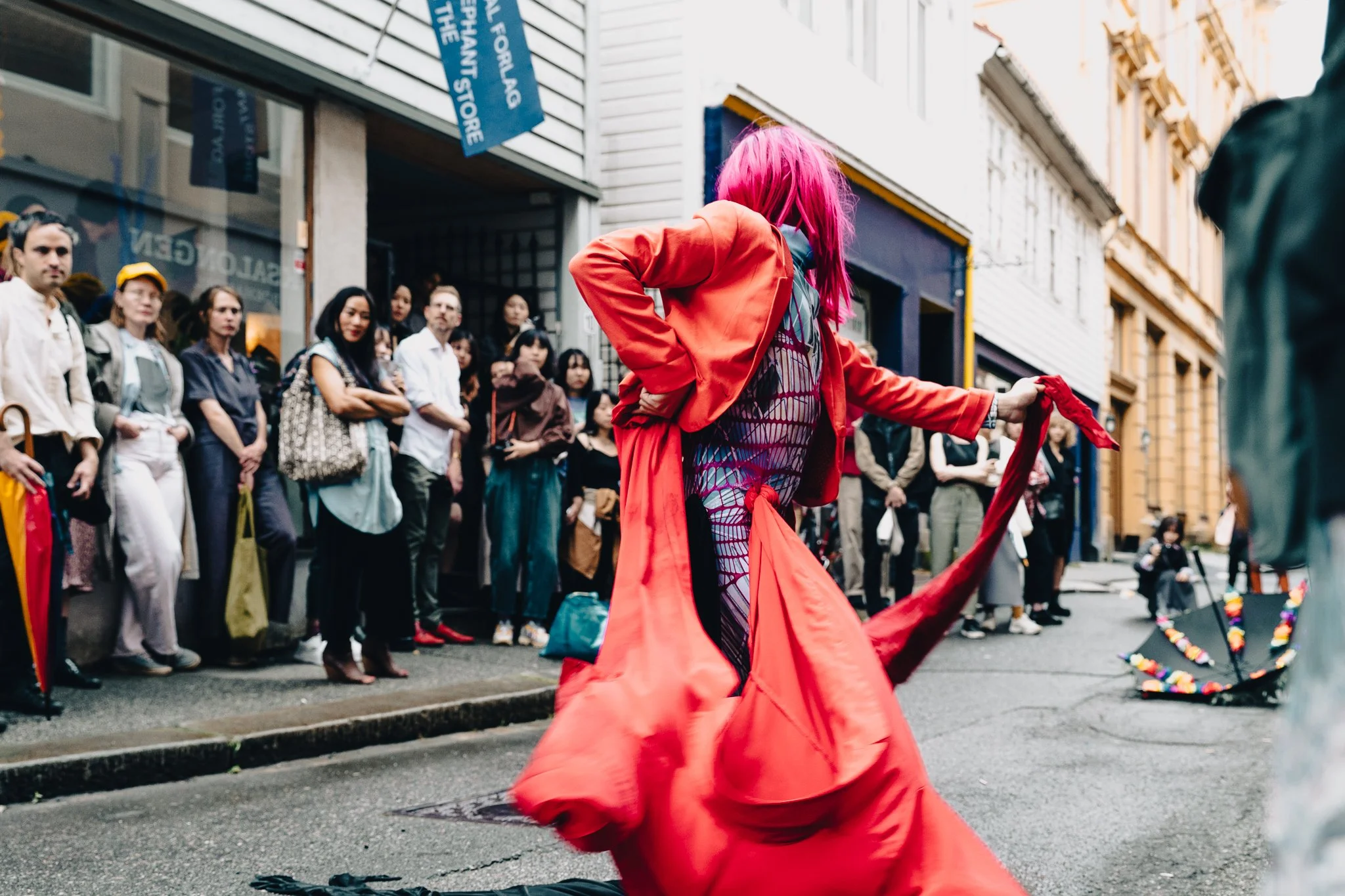
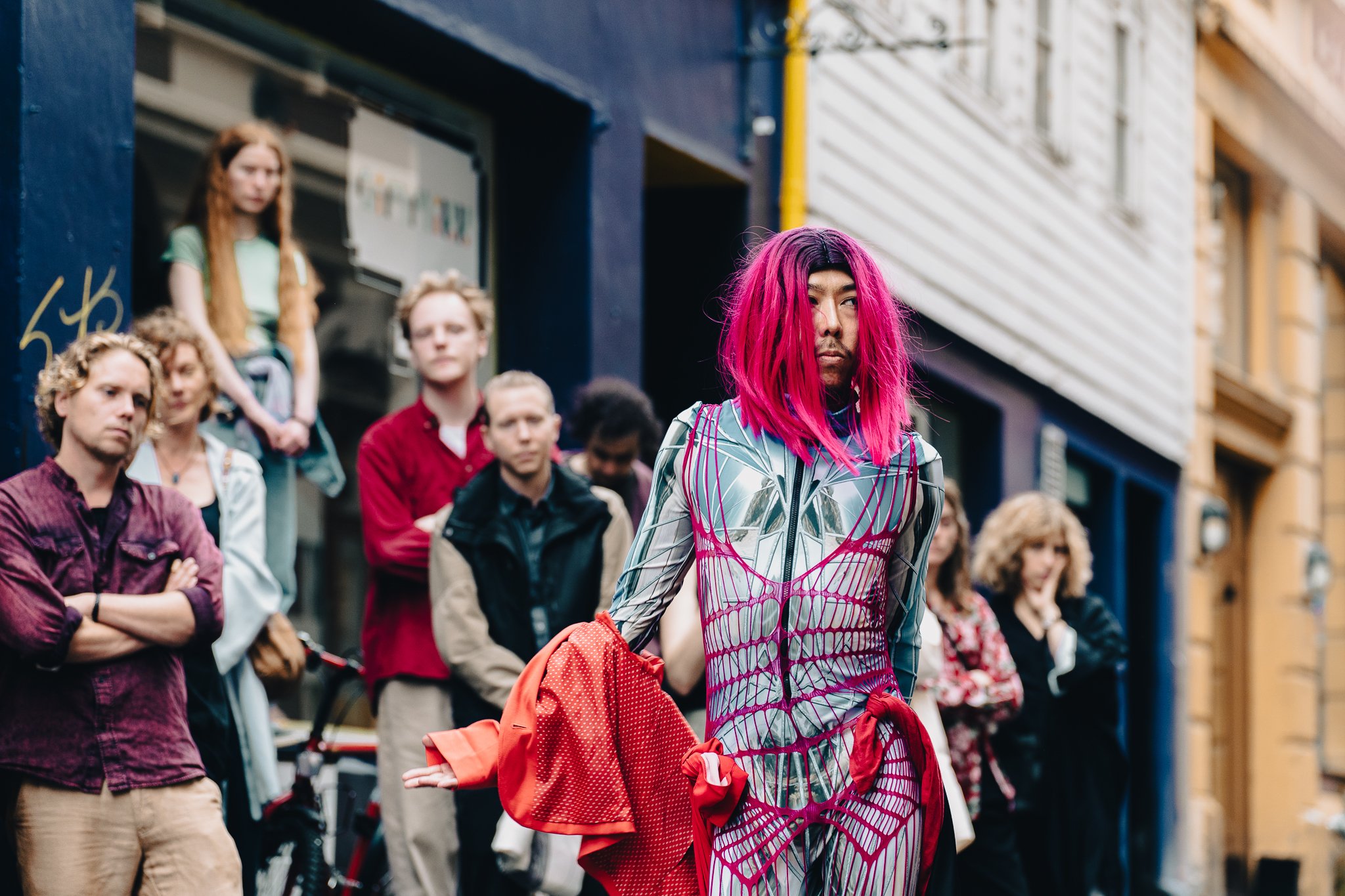
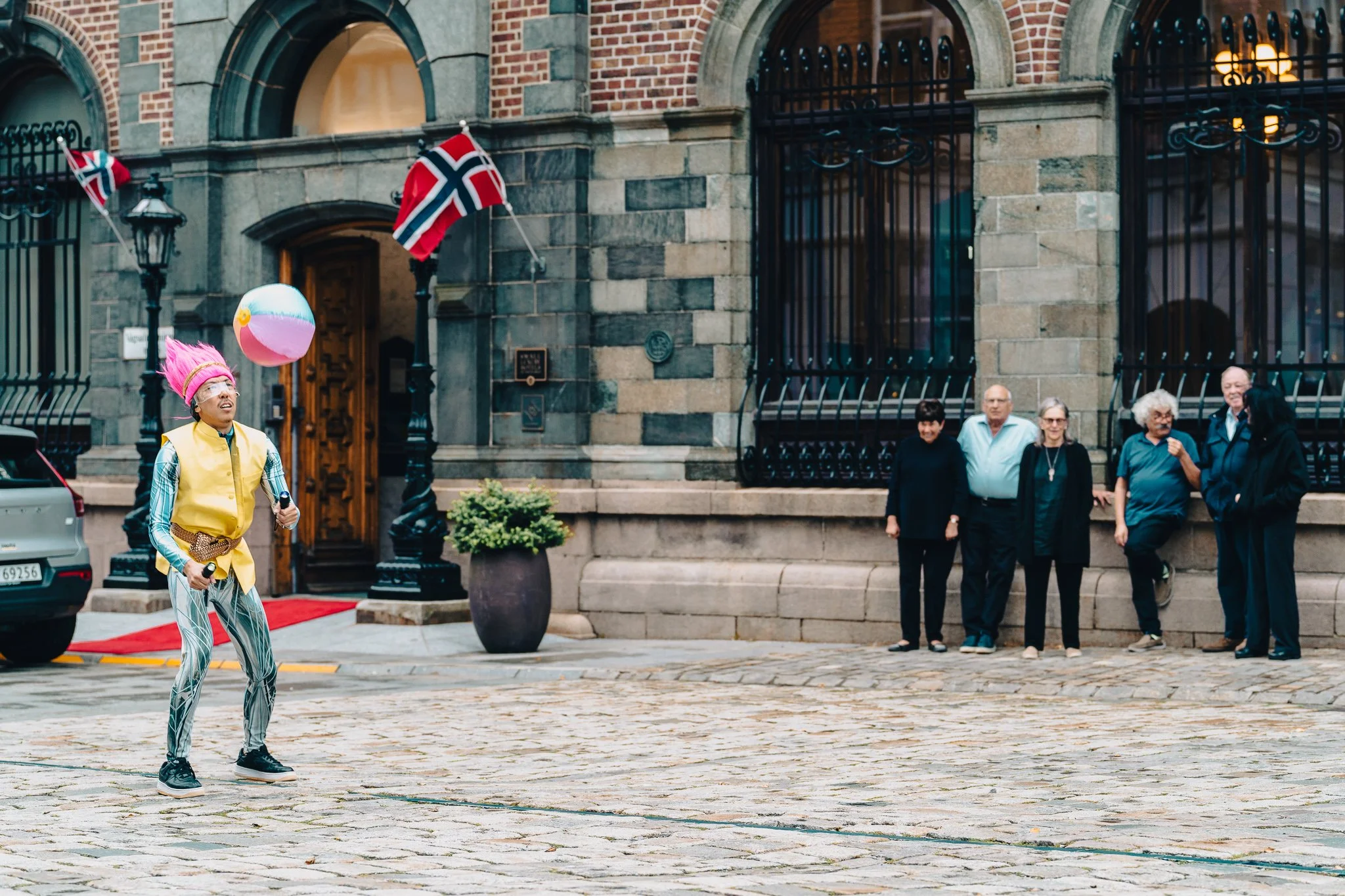
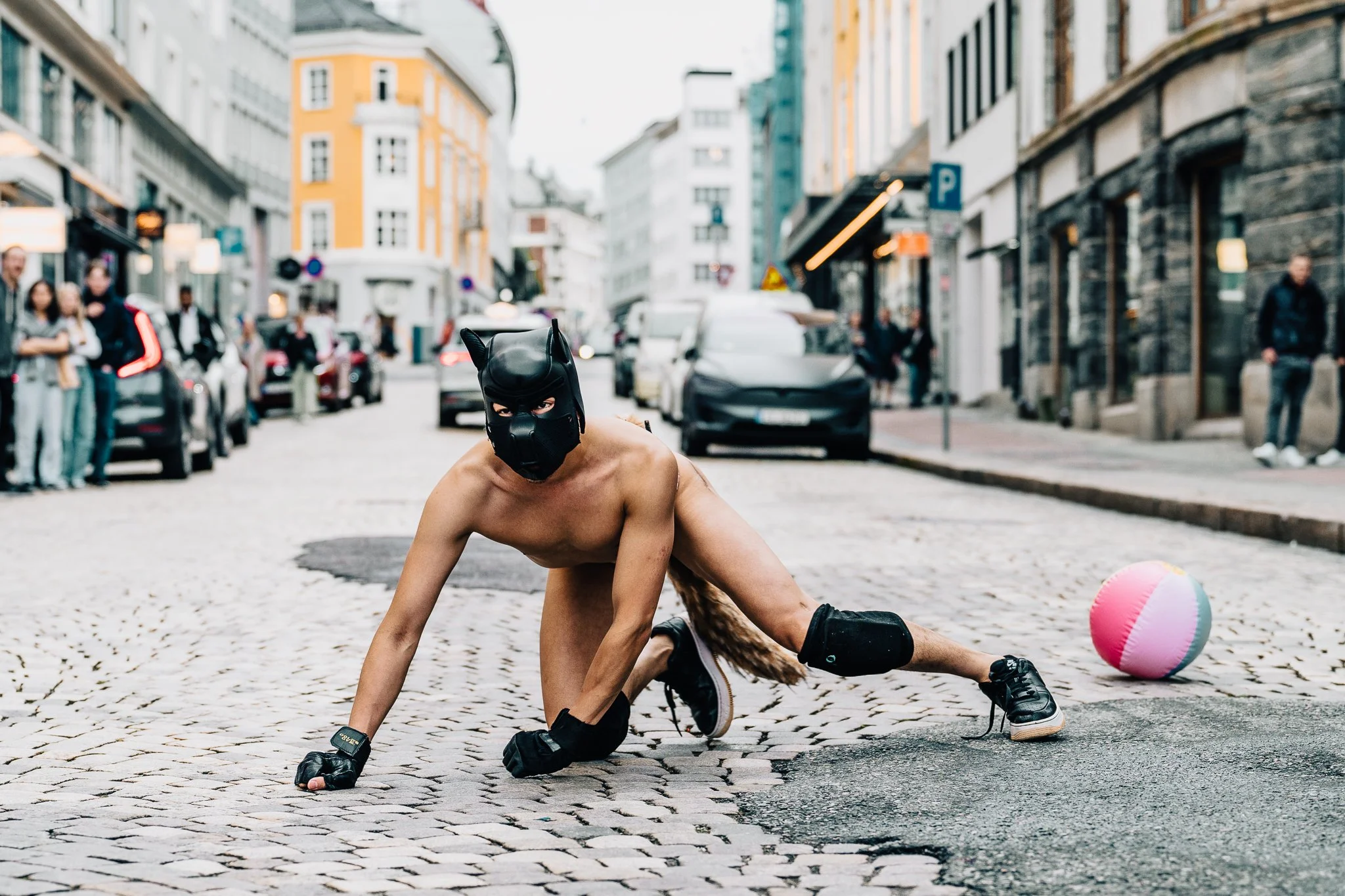
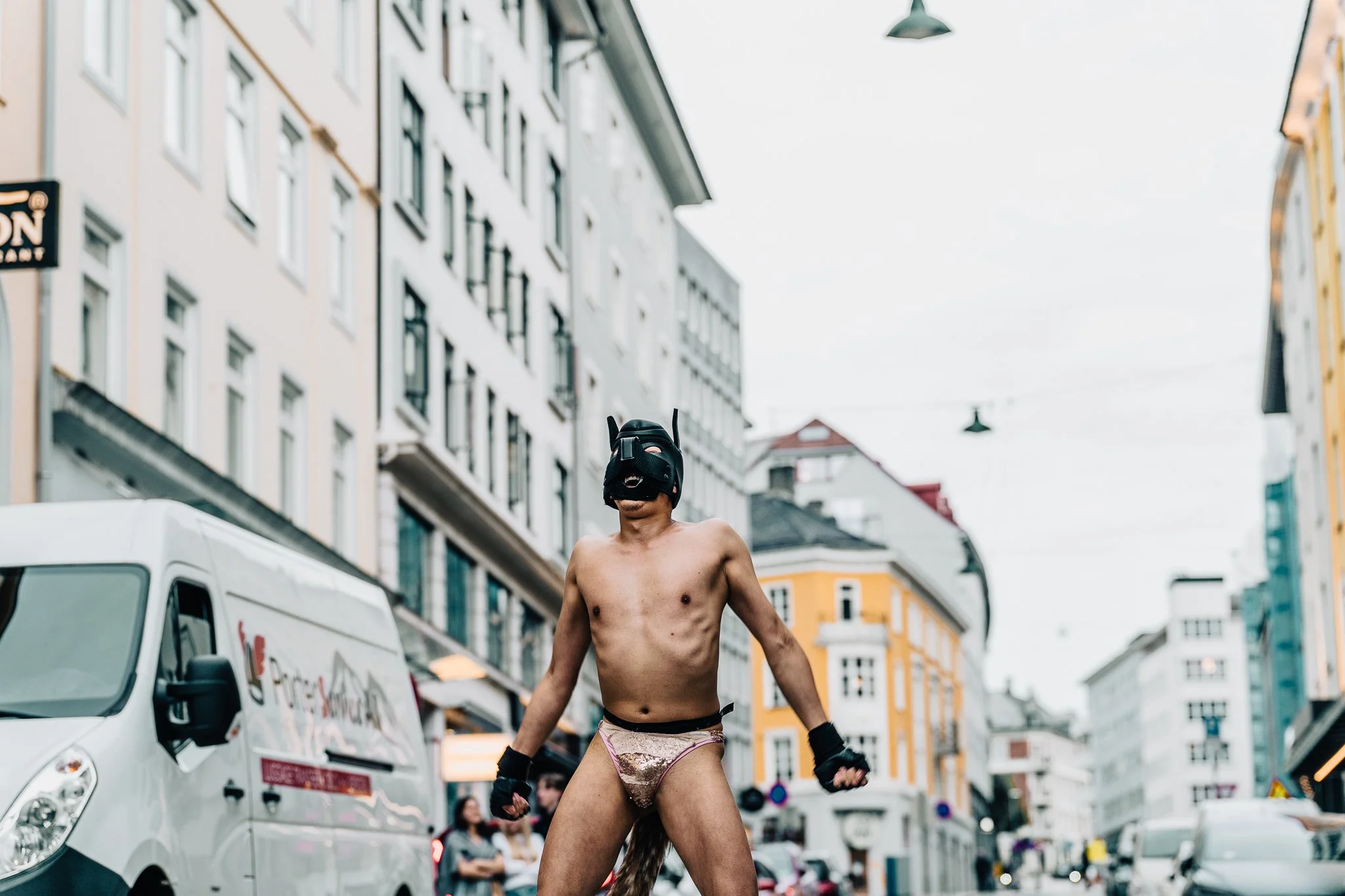
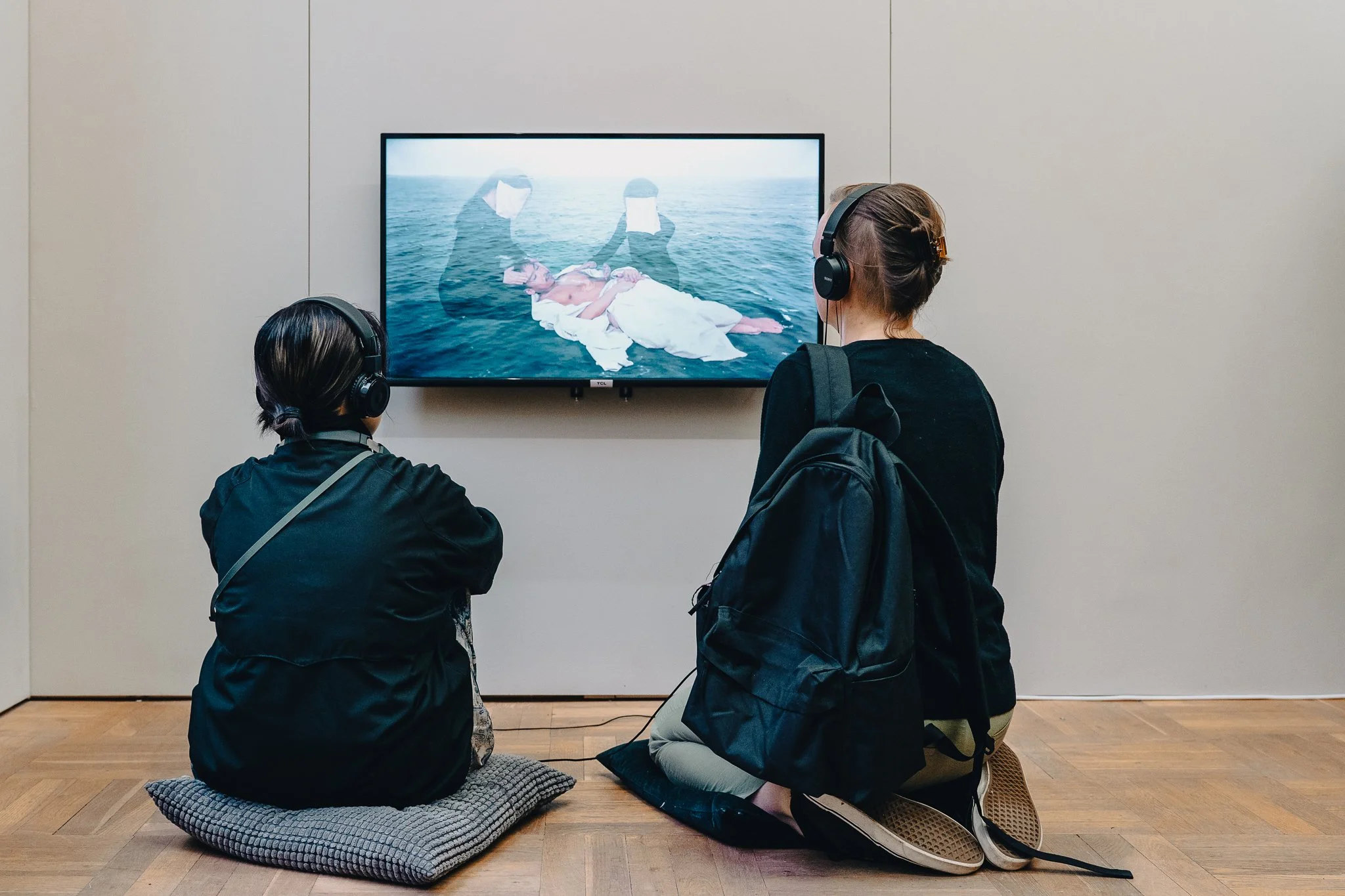
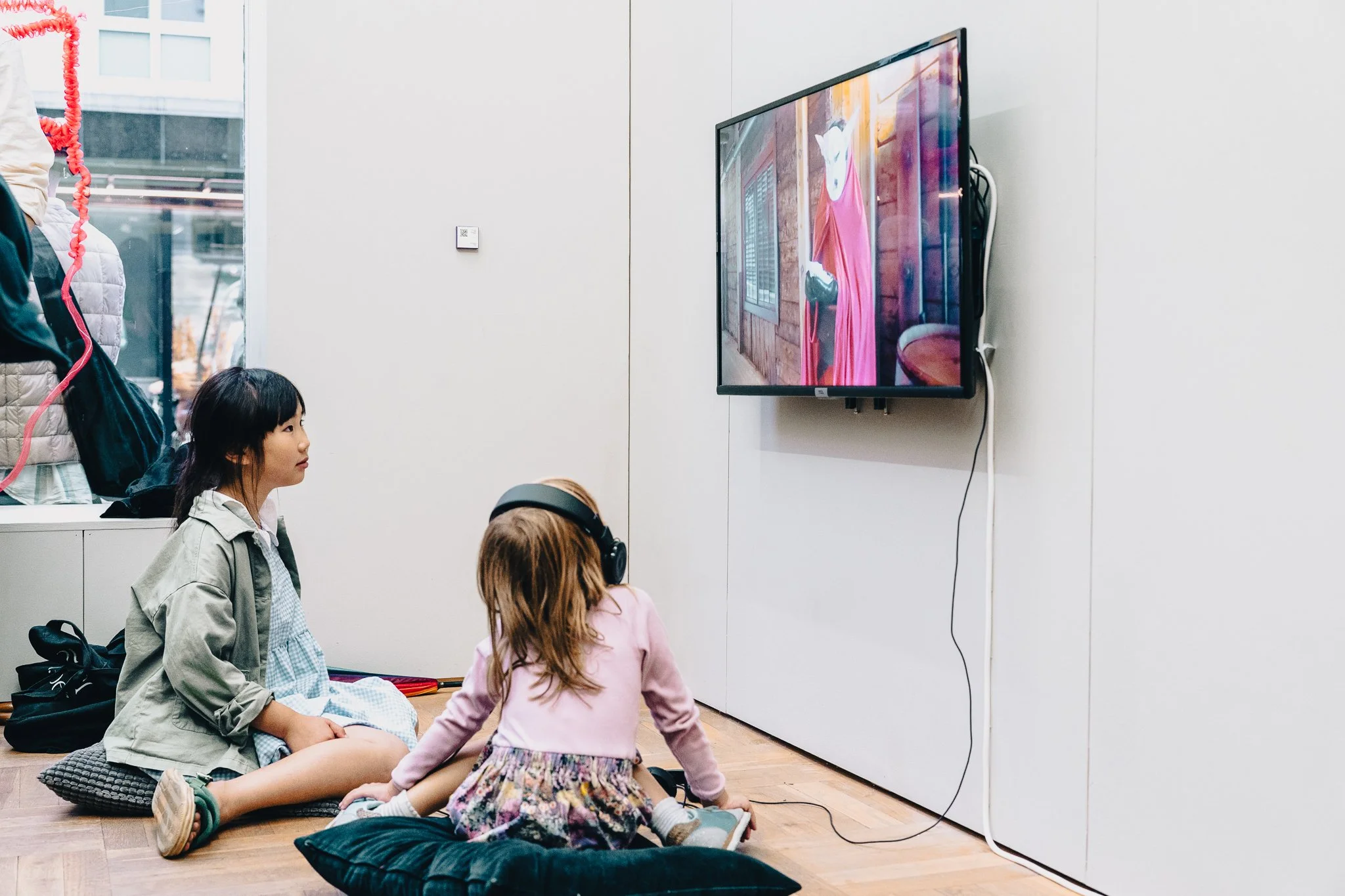
  • is a Japanese artist from Kochi who mainly works with performance and film. He performs several characters, incorporating with dance, animation and the story of fictionalized reality. In his work, Dominique explores the idea of appropriating cultural forms, hybridity, and multi-naturalism.

    Dominique has an MA in Fine Art from the Faculty of Fine Art, Music and Design (KMD) at the University of Bergen and a BA in Fine Art from Central Saint Martins College of Arts and Design at the University of the Arts London, where he also received the First Class Honours.

  • The conceptual-based practice of Ji Jia involves site-specific installation, performance, and video. She uses her own body and ready-made daily life materials to intervene in space and architecture. Through the construction of subtle interventions, she breaks the audience's habitual cognition and alters the existing environment. She uses black comedy as her aesthetic basis, putting the audience in familiar yet exceptional situations, thus triggering thinking, criticism, and questions.

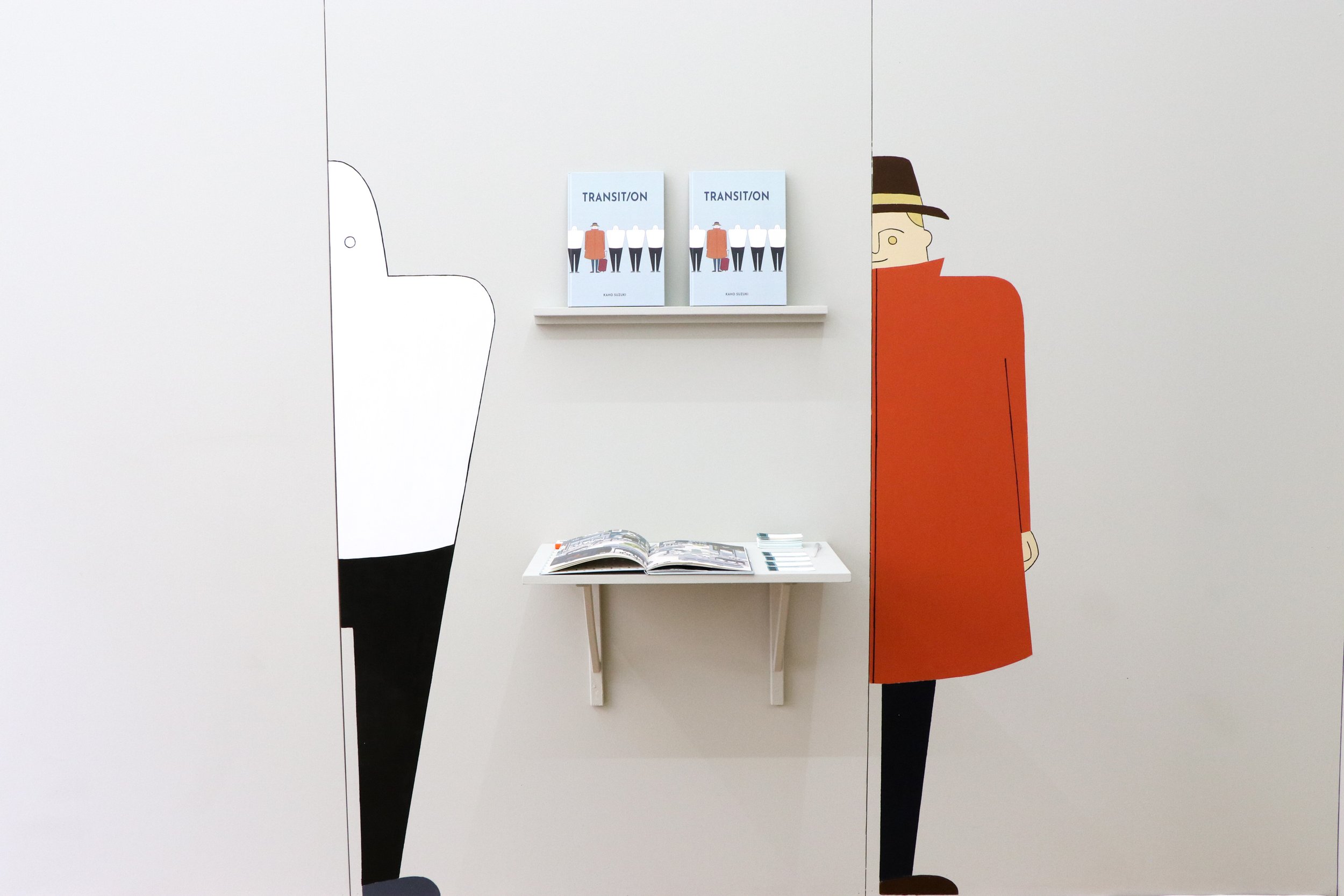
  • Japanese illustrator , with this project, explores ways of storytelling without words and the social value of illustration. TRANSITION is a silent book, that is, a picture book that the story is told only with illustrations.
The story relates to the issue of “uniform society” and “majority and minority.” It is about a man who moved to a city and tells how he becomes “anonymous” in their society. There are many different visual clues in the story, and they encourage the reader’s visual literacy. In other words, it might change into different stories depending on how the reader interprets them. Also, the story has no specific ending, and it would be created by the reader.

  • is a Bergen-based motion designer, graphic designer, and a happy guy who loves dogs, coffee and nature. He has a BA in filmmaking from Taipei National University of the Arts, School of Film & New Media and an MA in visual communication design, University of Bergen, Faculty of Design. Storytelling is the core of his practice. His works traverse between digital and analogue mediums through the use of different materials, colours, and shapes.

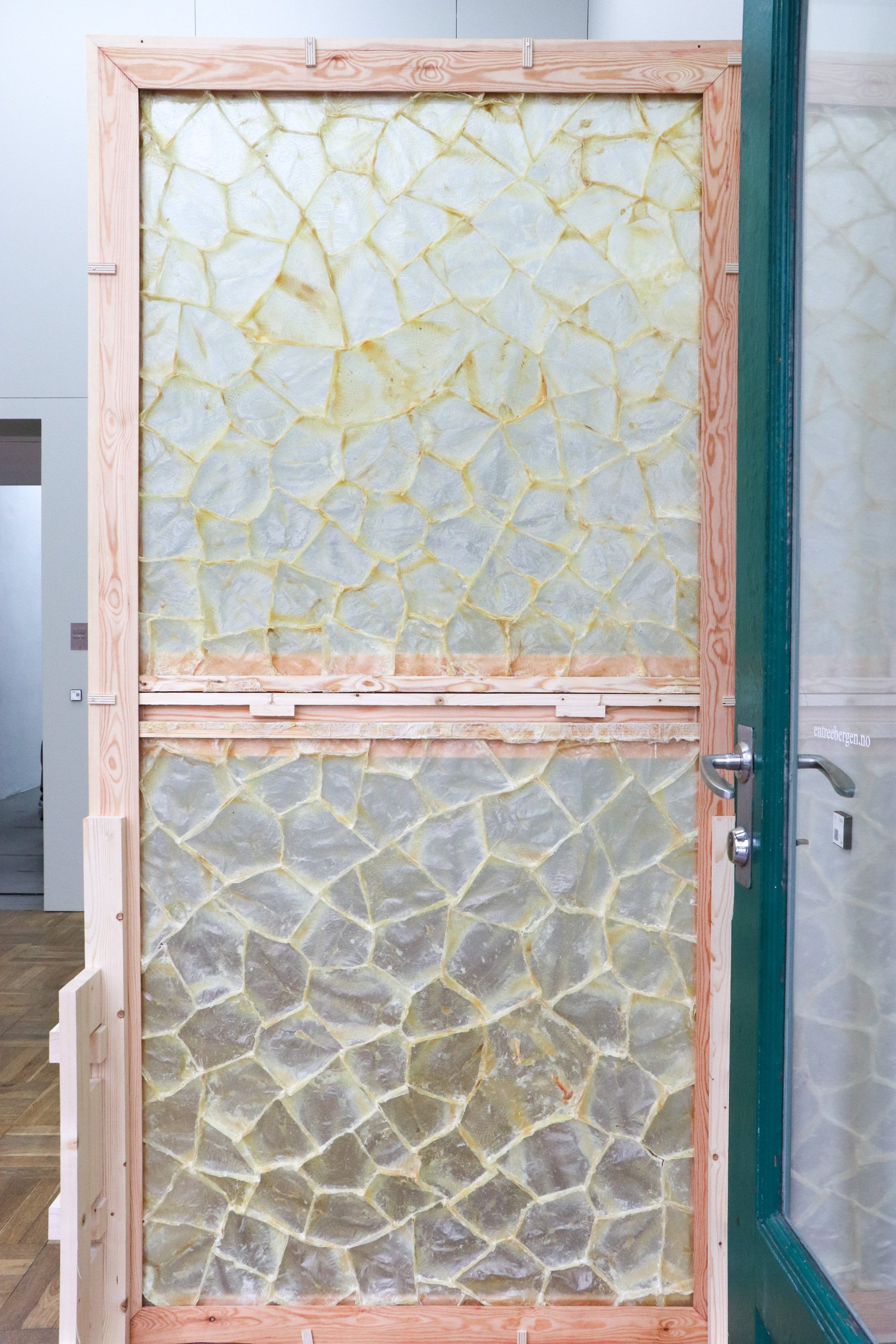
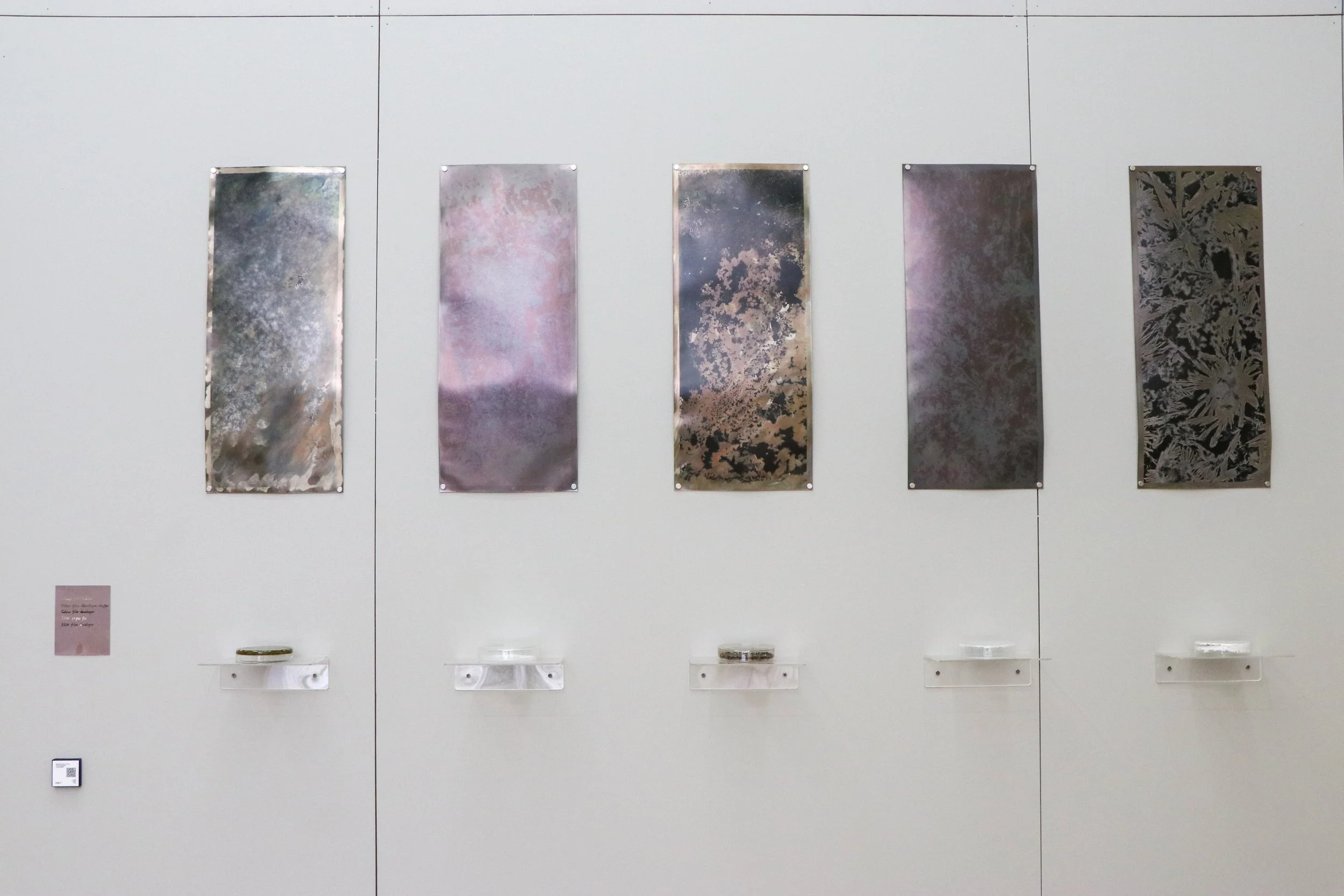
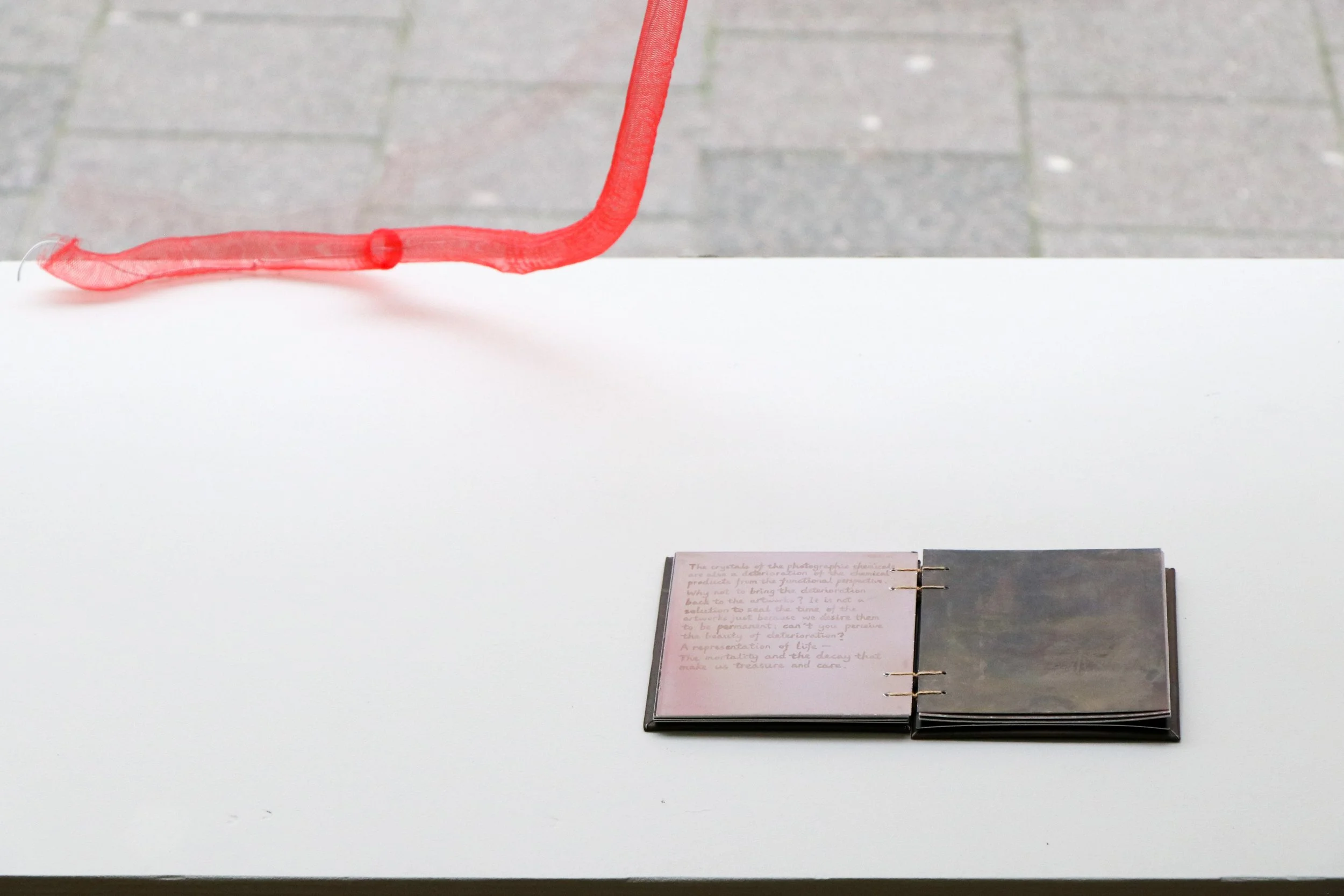
  • Born and raised in Beijing, Lexy (also known as Xiao Liangzi) is an artist and researcher, currently based in Bergen and London. She works with alternative photographic processes, textile, and moving images, regarding photography as performance and action above the content of the image. She sees her artistic practice as a way to reach self-awareness and self-transcendence. She is interested in repetitive gestures, durational performance, materiality, exploring how time, perception, and repetition can produce a form of visibility and aesthetic experience. Her practice is about experimentally performing the making processes- a repeated working process, investigating the ways to interpret pairs of paradoxical ideas around repetition, such as degradation and superposition, interruption and continuity, permanence and impermanence. She tends to interpret her investigations in a philosophical way, trying to build a connected, consistent and poetic theory system through her artistic practice.

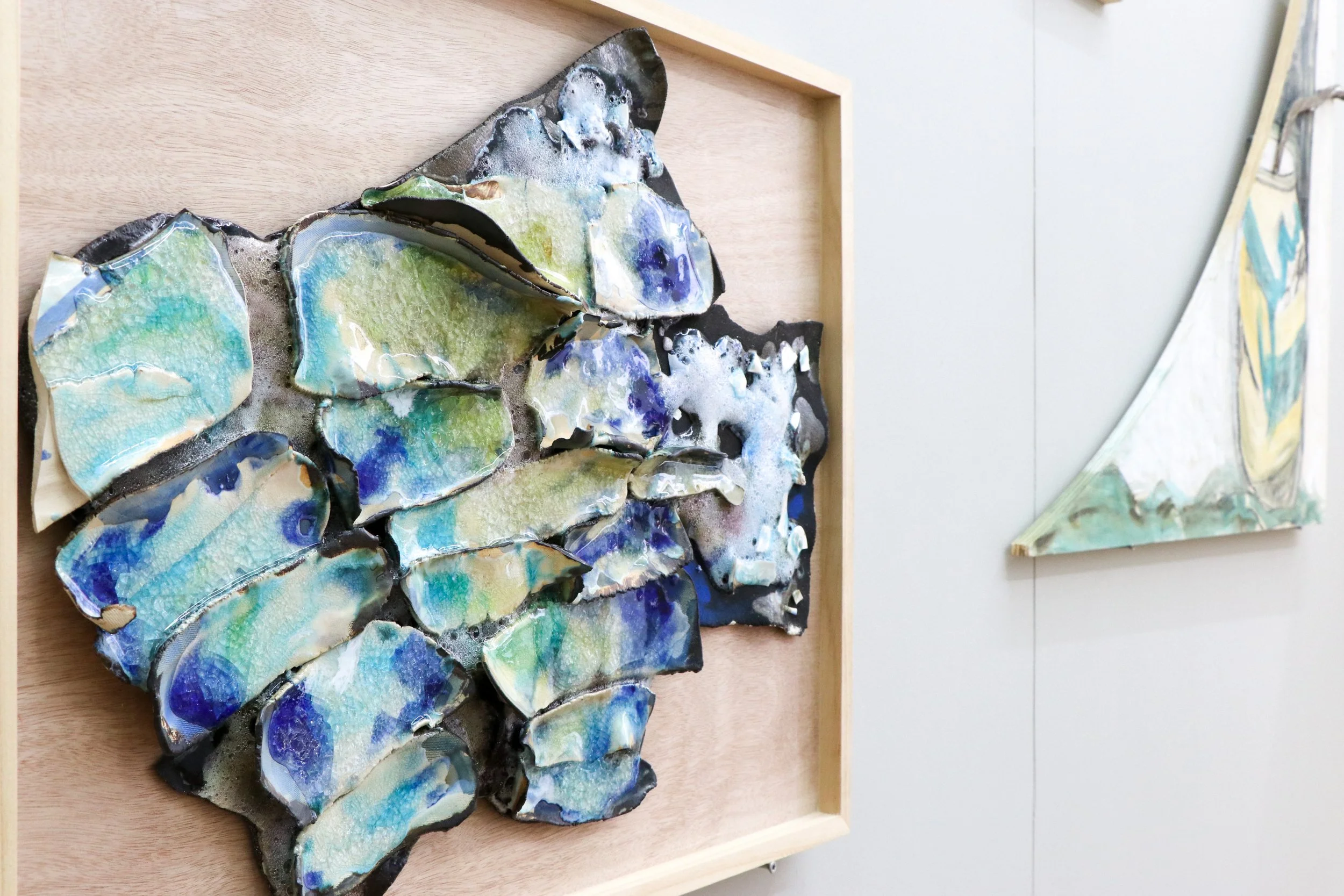
  • is a ceramist from South Korea. She came to Oslo to pursue her studies with the love of nature. She has developed a new perspective towards her artistic practice and personal philosophy, while finding the originality of an object or a phenomenon or nature from everyday life. Her value on memories and emotion from all situations are the driving force in her practice. She holds a BFA at the School of the Art Institute of Chicago, and a MFA at the Oslo National Academy of the Arts.

  • is a Korean artist currently based in Oslo. She is interested in exploring human experiences, interpersonal relationships, general awkwardness of existence, and fleeting things such as emotions and daydreams. Her practice is driven by an urge to communicate complex feelings and situations visually because these things are often difficult to convey through words.

    She holds an MA in Fine Arts from the National Academy of the Arts (KHiO) in Oslo, Norway and a BA from the Royal Academy of Art (KABK) in The Hague, Netherlands.

  • is a Chinese artist living and working in Bergen, Norway. She describes herself as “a person who wanders between reality and nothingness, always attracted by the little ‘happenings’ in daily life, a lost soul on the way of finding and accepting through art and life, a life liver and art maker.” Su holds an MA in Fine Art from the Faculty of Fine Art, Music& Design (KMD) at the University of Bergen and a BA in Fashion and Accessory Design from Donghua University in Shanghai.

  • is a Chinese artist currently living and working in Oslo. She graduated from Oslo National Academy of the Arts with a master’s degree. Before coming to Norway, she worked as a volunteer for an NGO that advocates gender equality in Yunnan. Her diverse working experiences provided her with multiple skills, such as painting, drawing, sculpting and animating. Her topics focus on individuals as well as political criticism. She has had several exhibitions in public spaces in Oslo, including Deichman Bjørvika (Library) and Kunstnernes Hus.

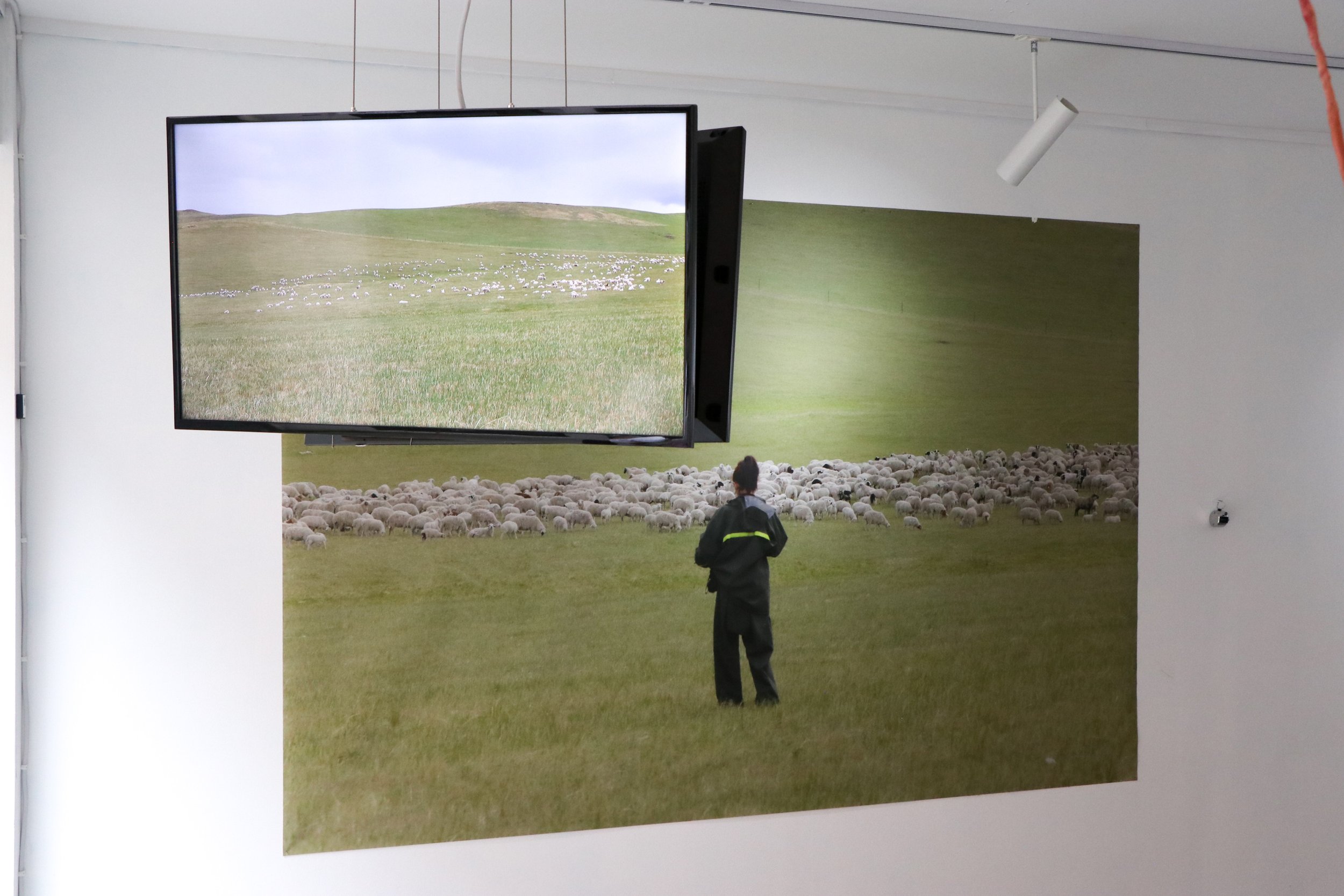
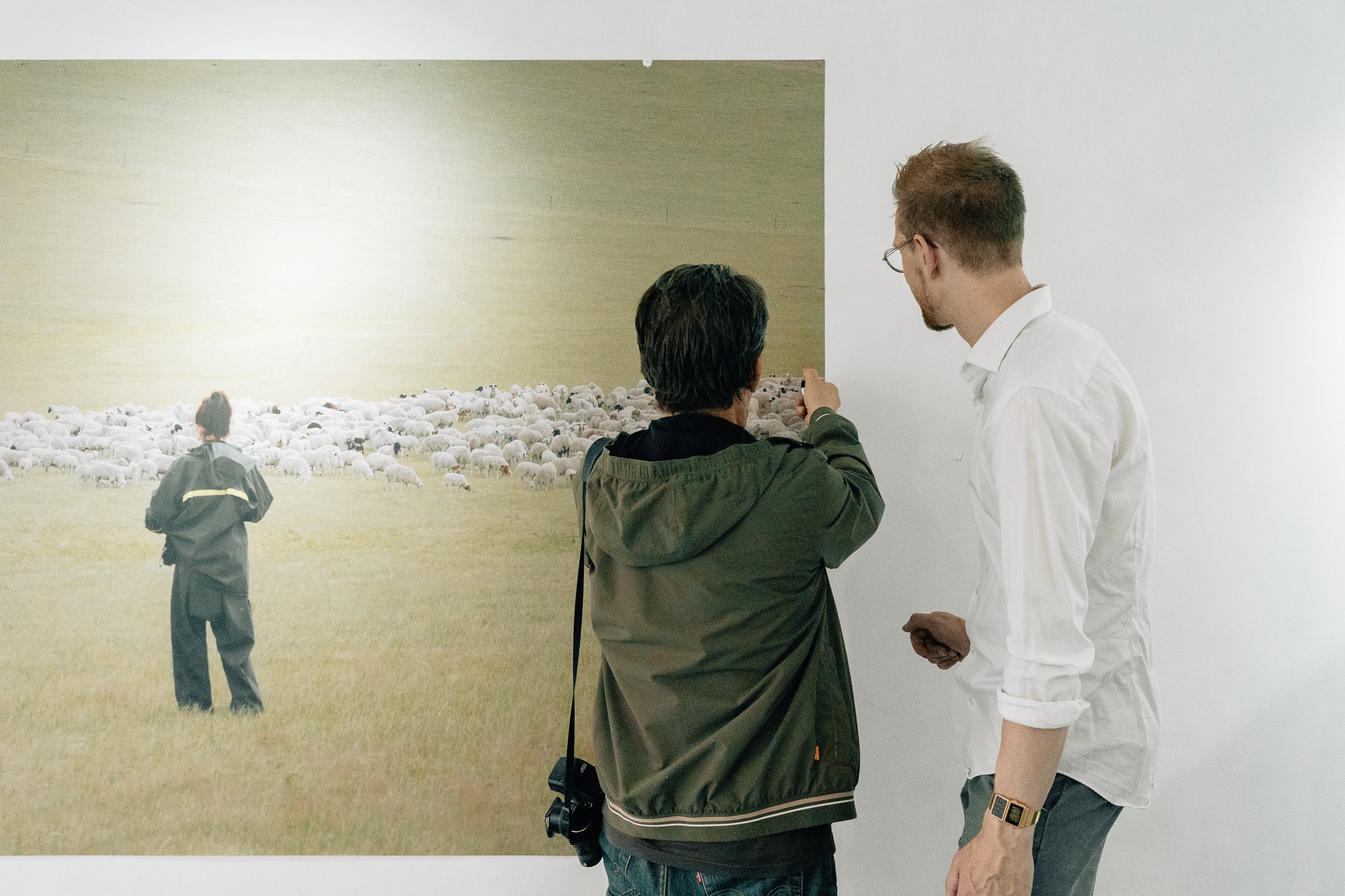
  • comes from Inner Mongolia, China. She graduated from the Oslo National Academy of Arts (KHiO) in Norway with a master’s degree in Fine Arts and holds a BA in Public Art from the Central Academy of Fine Arts, Beijing.
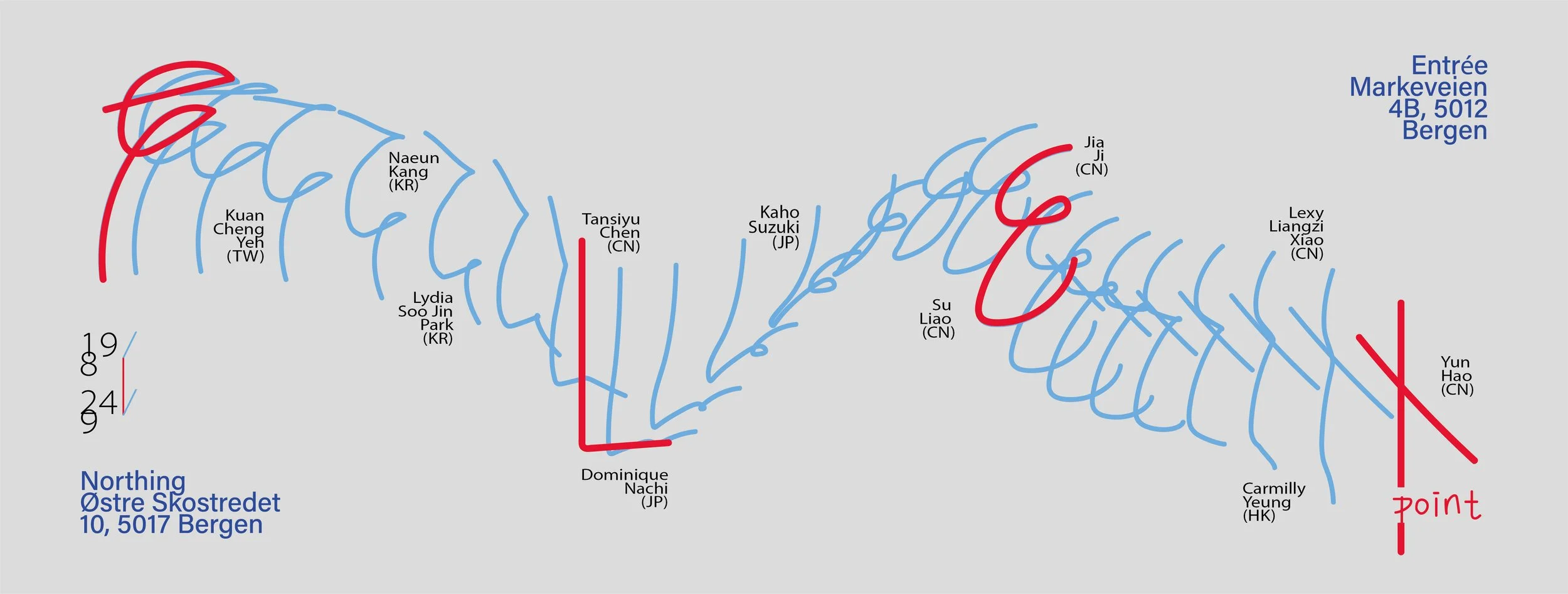
19th Aug -
25th Sep

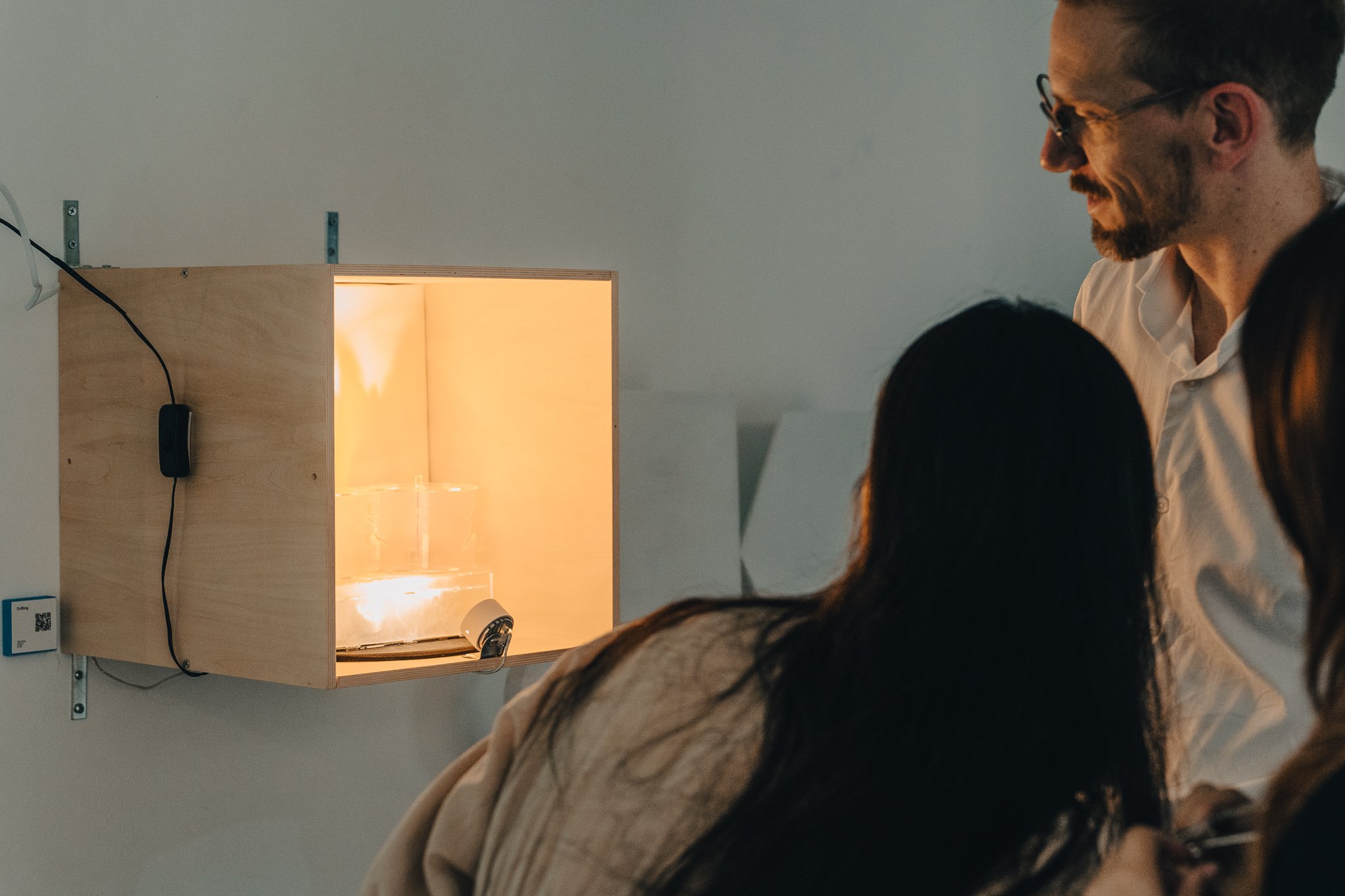
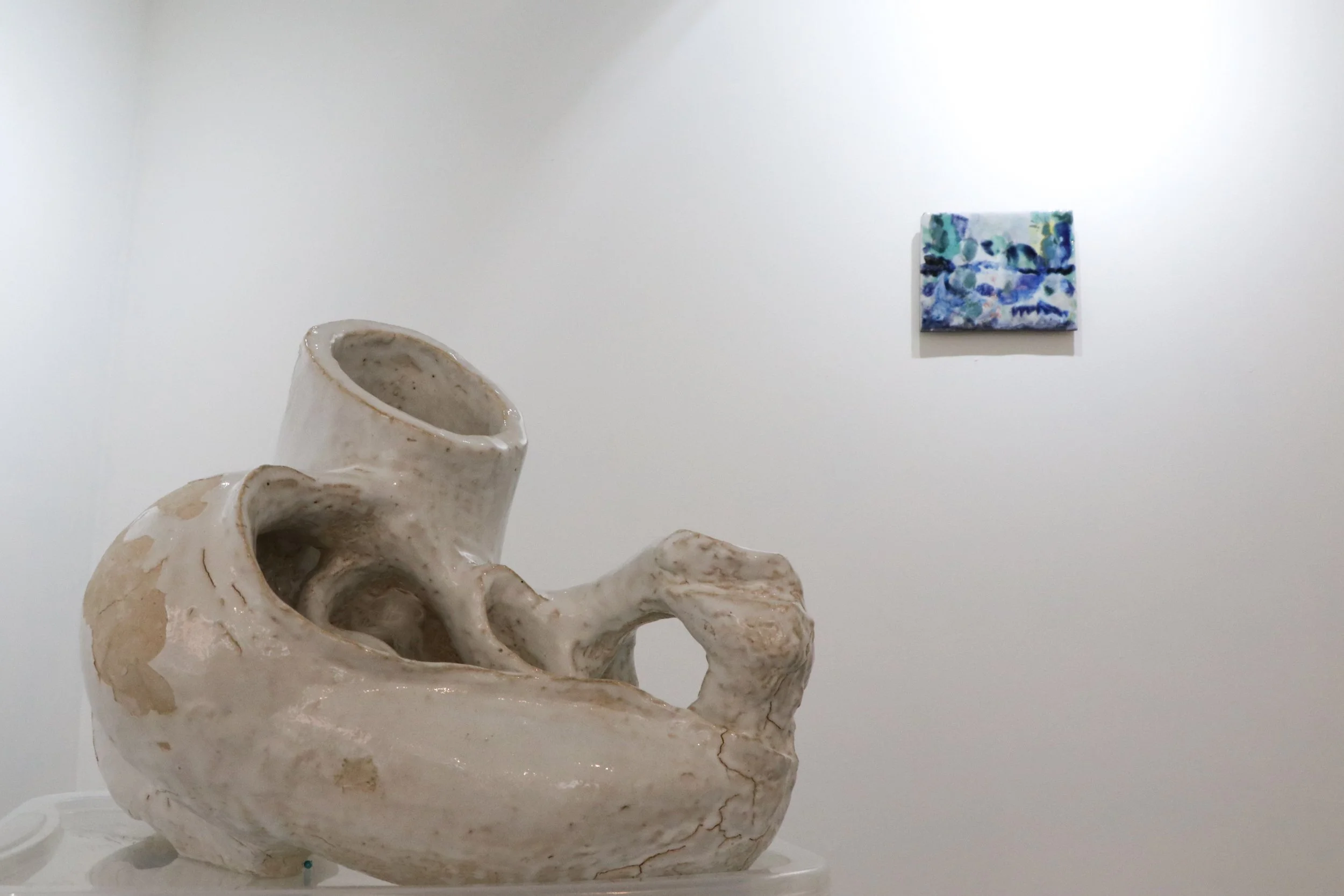
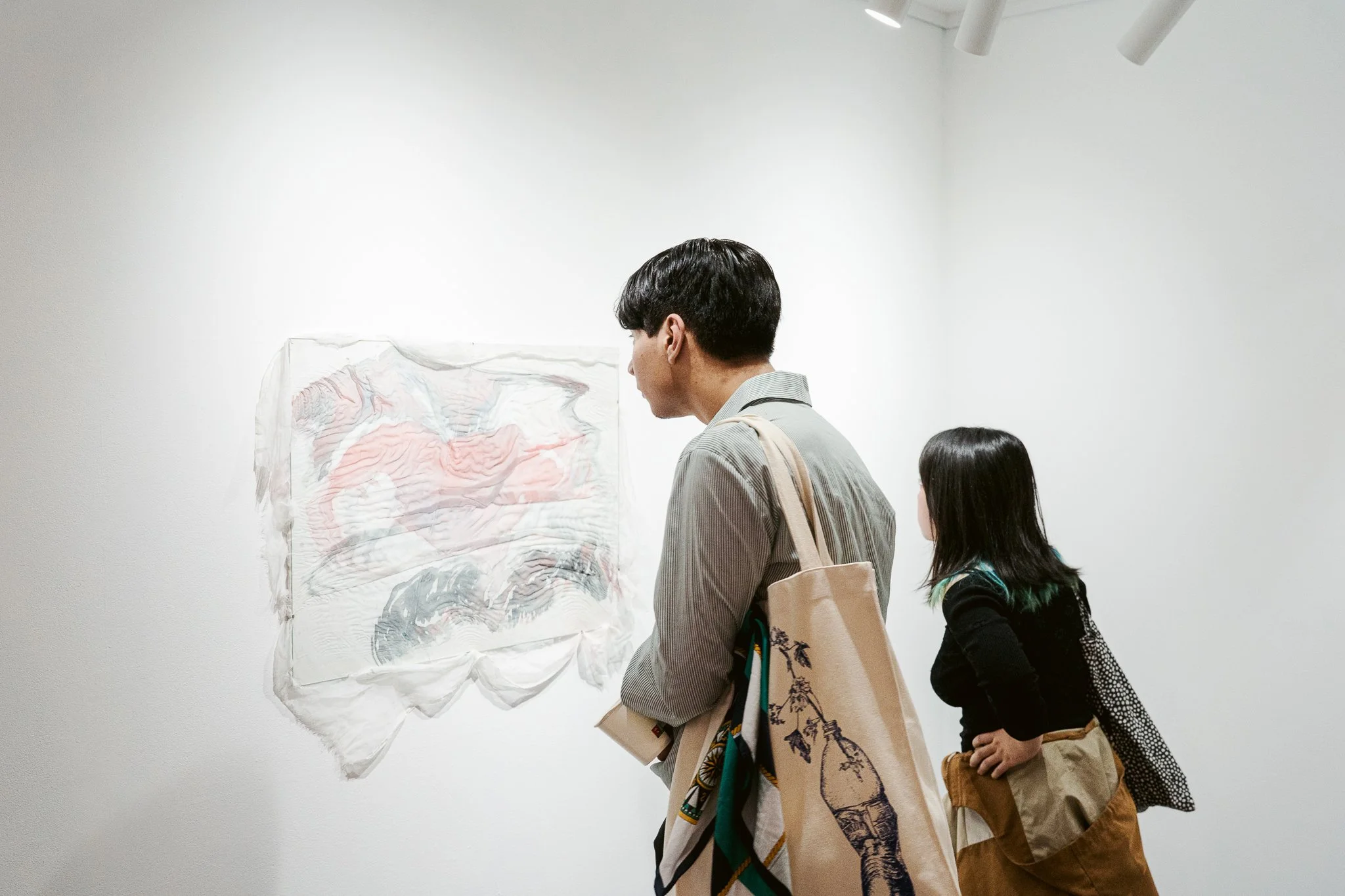
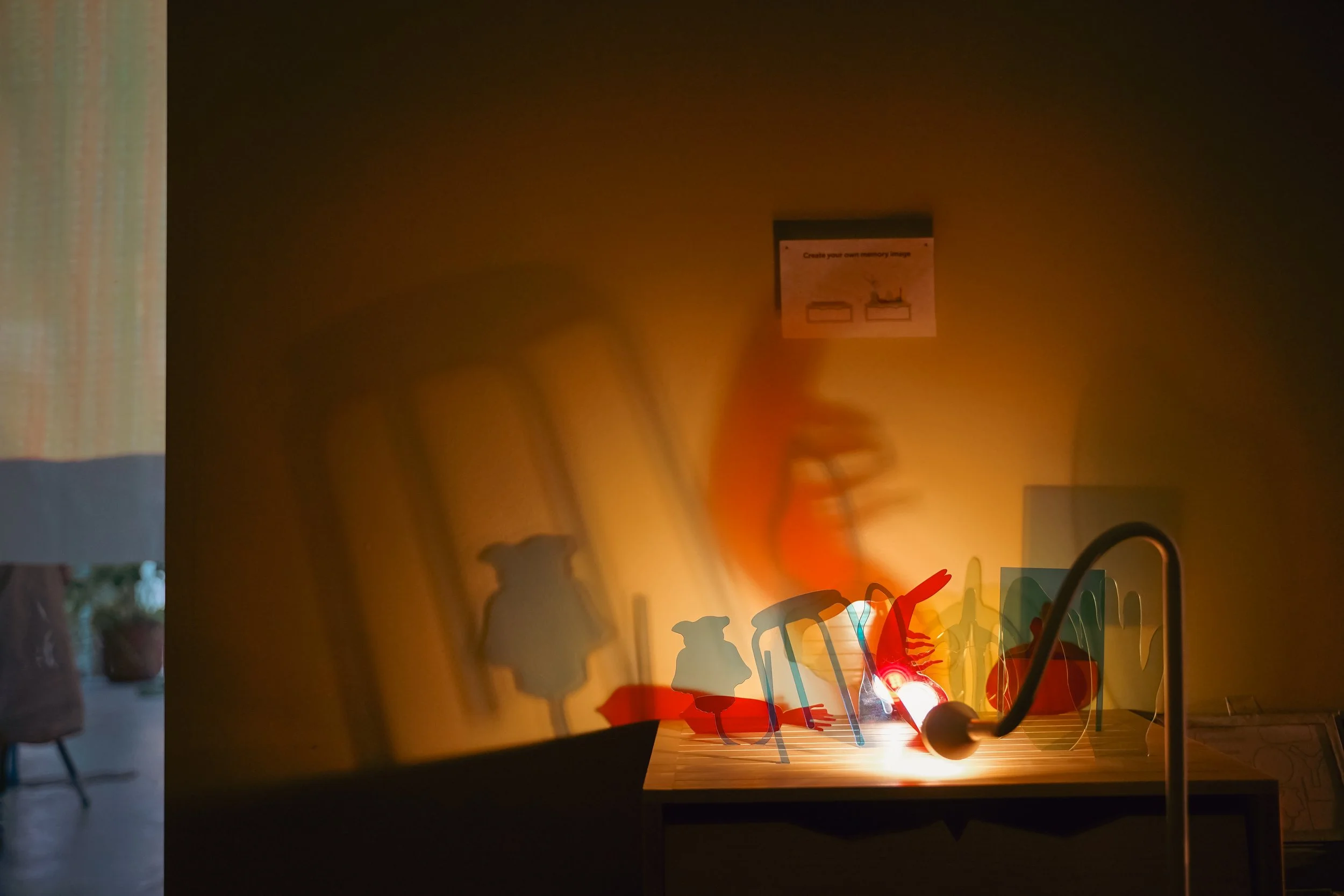
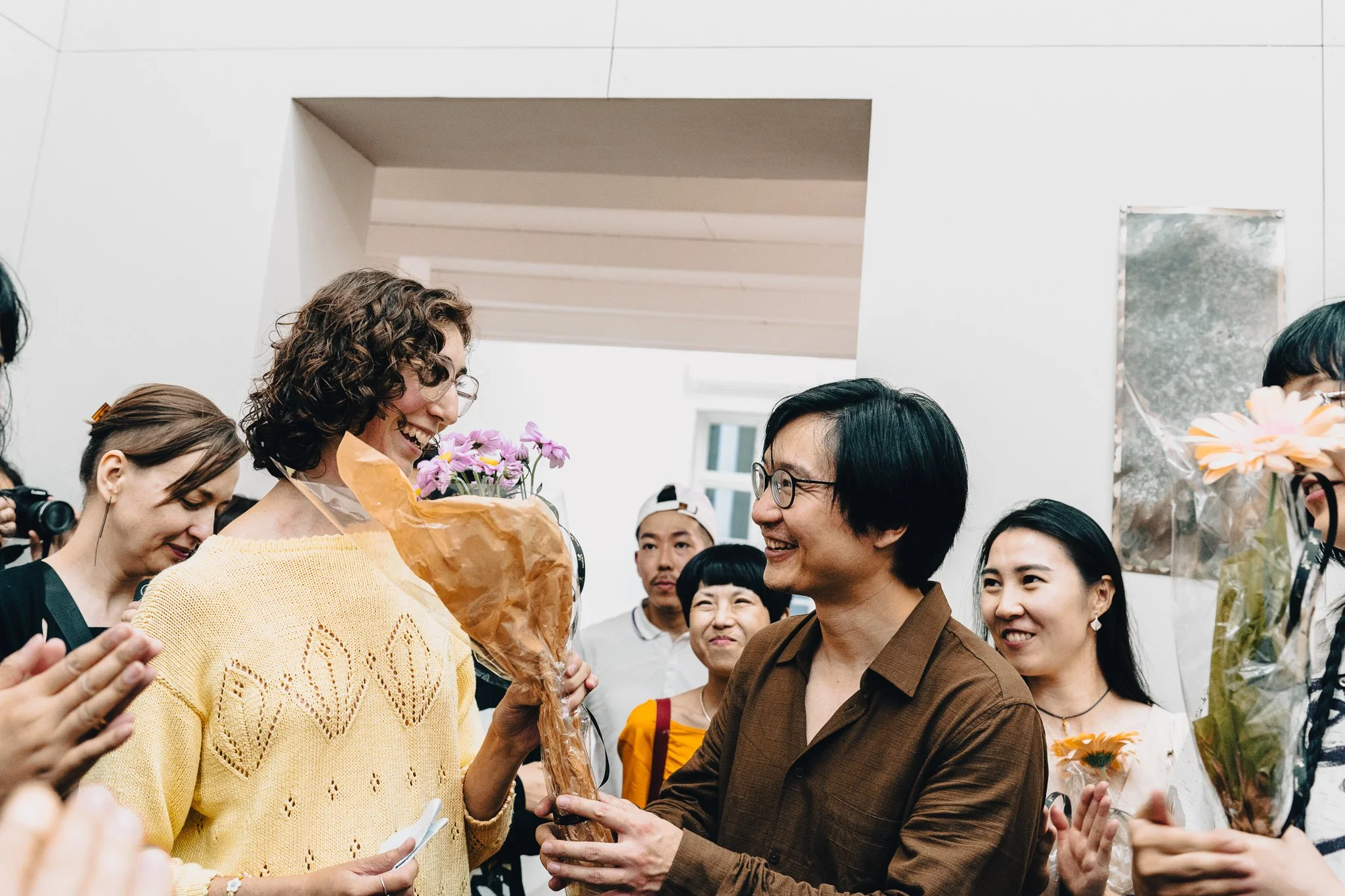
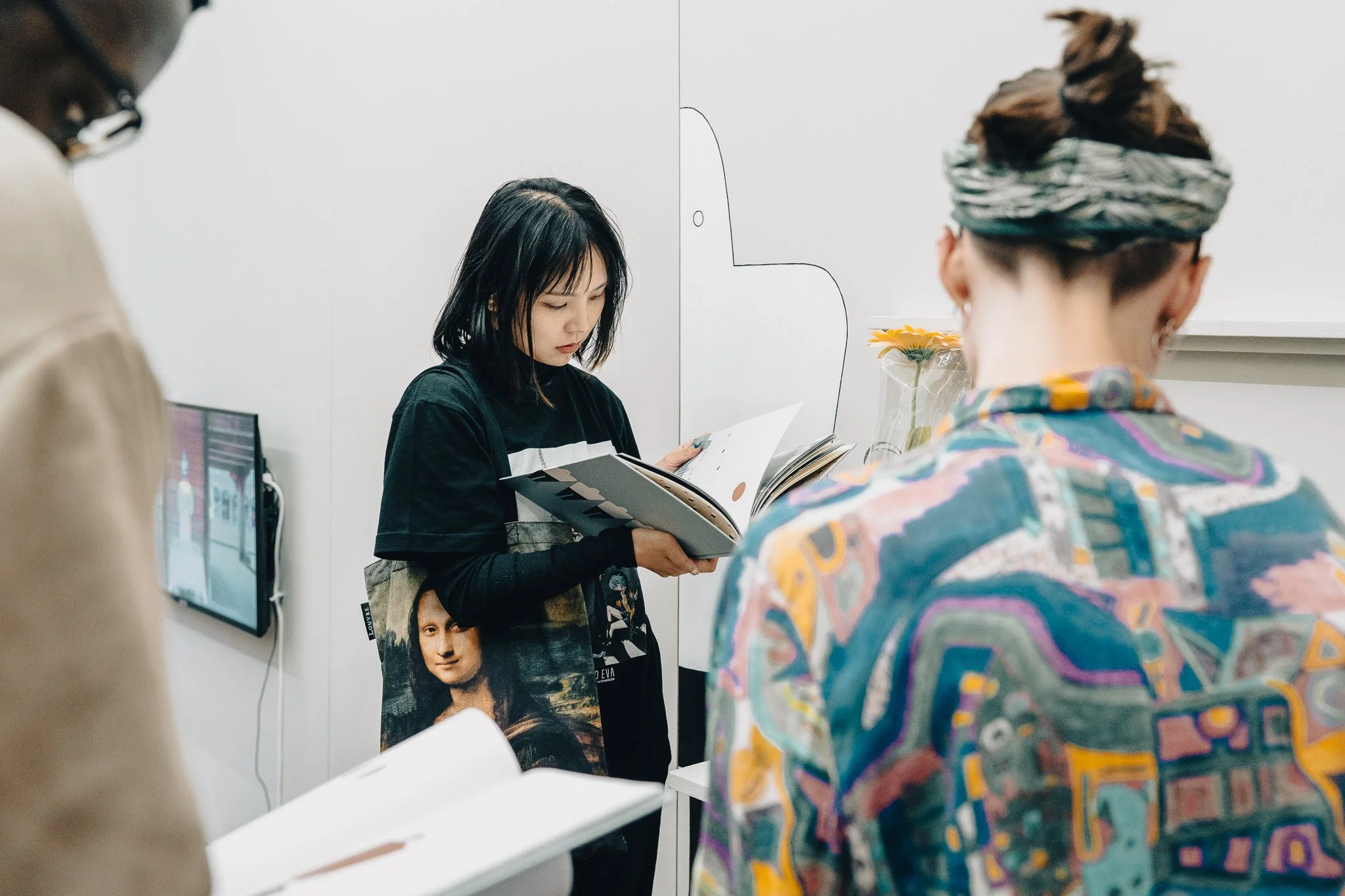
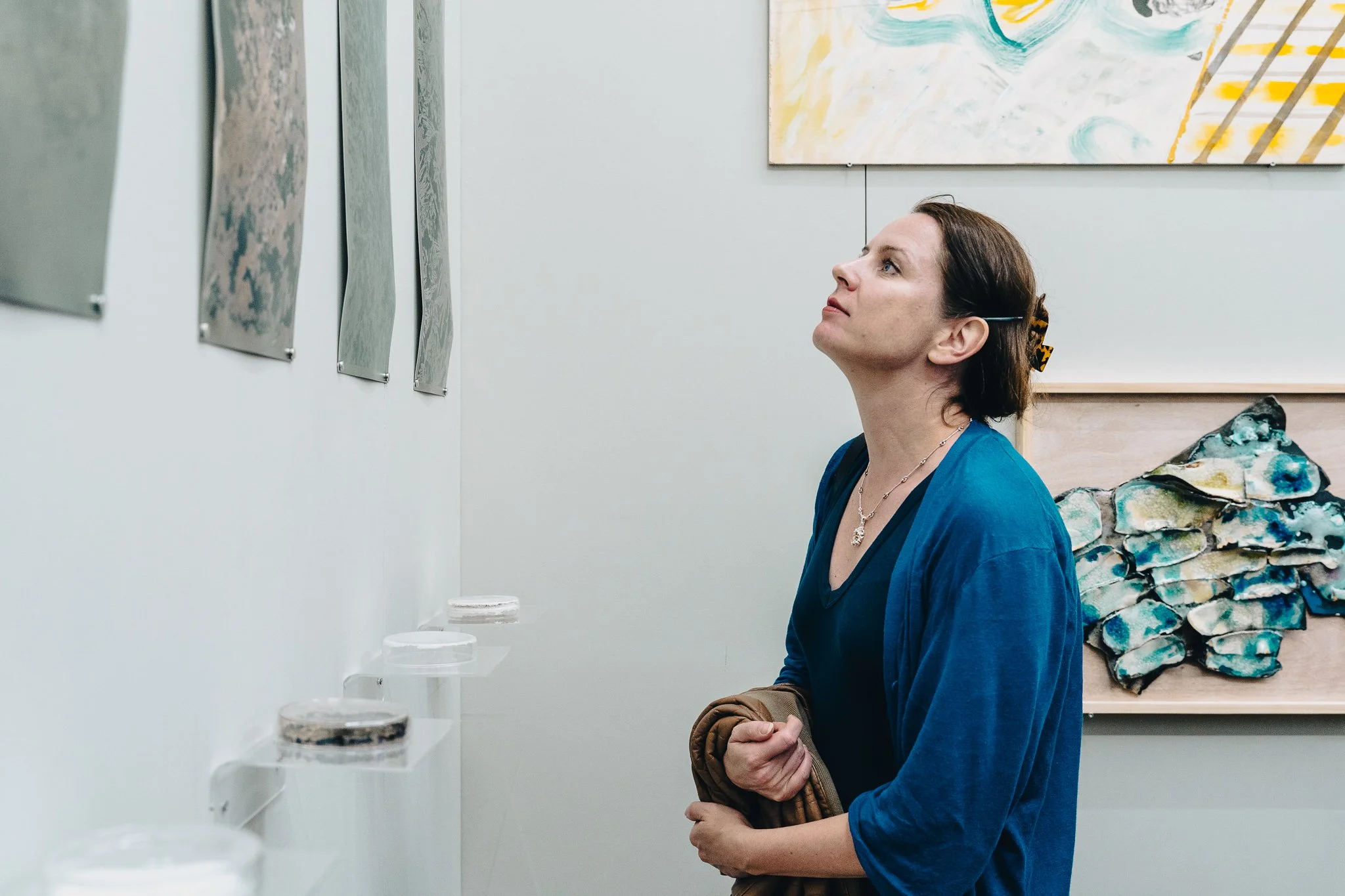
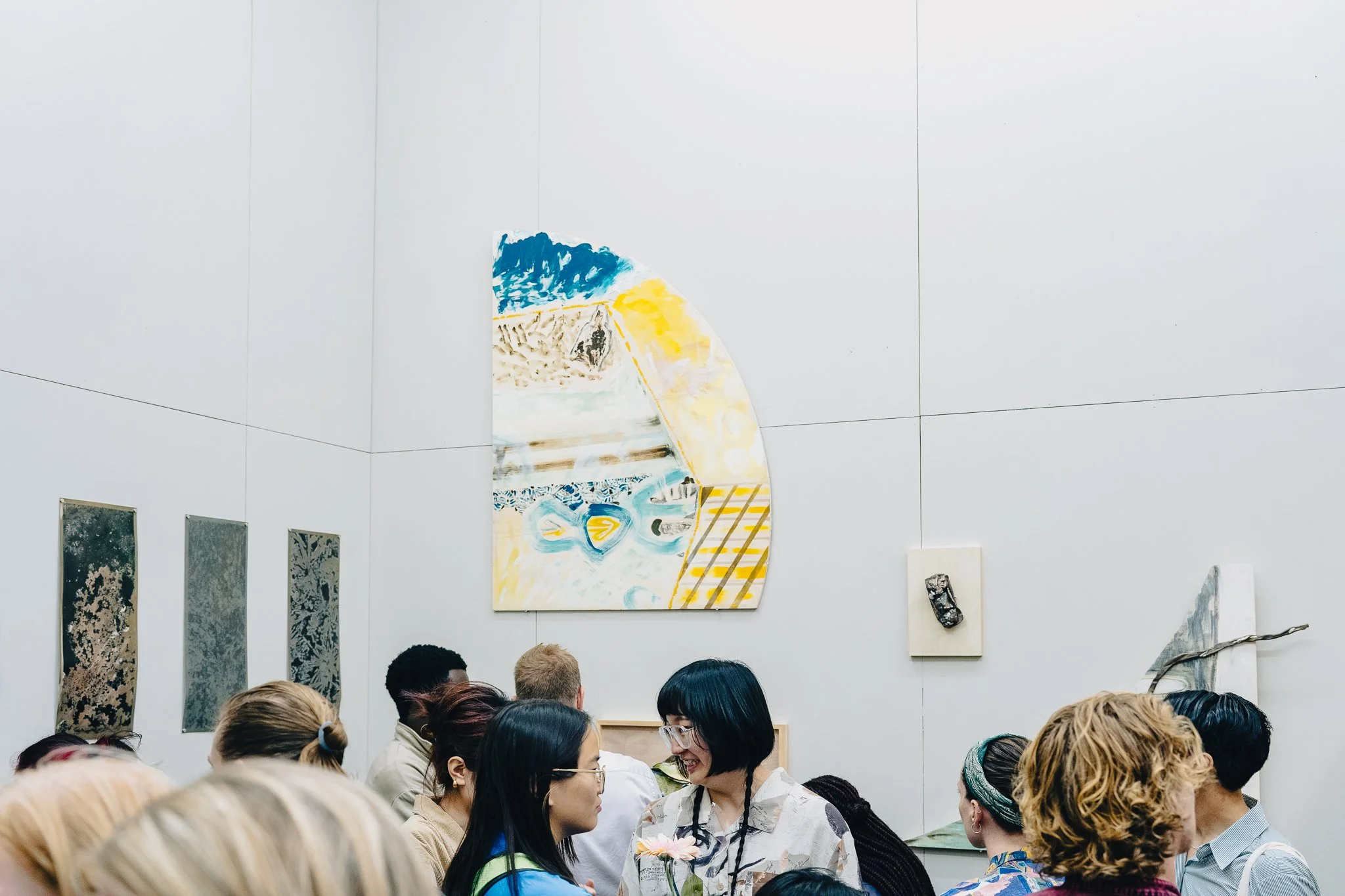
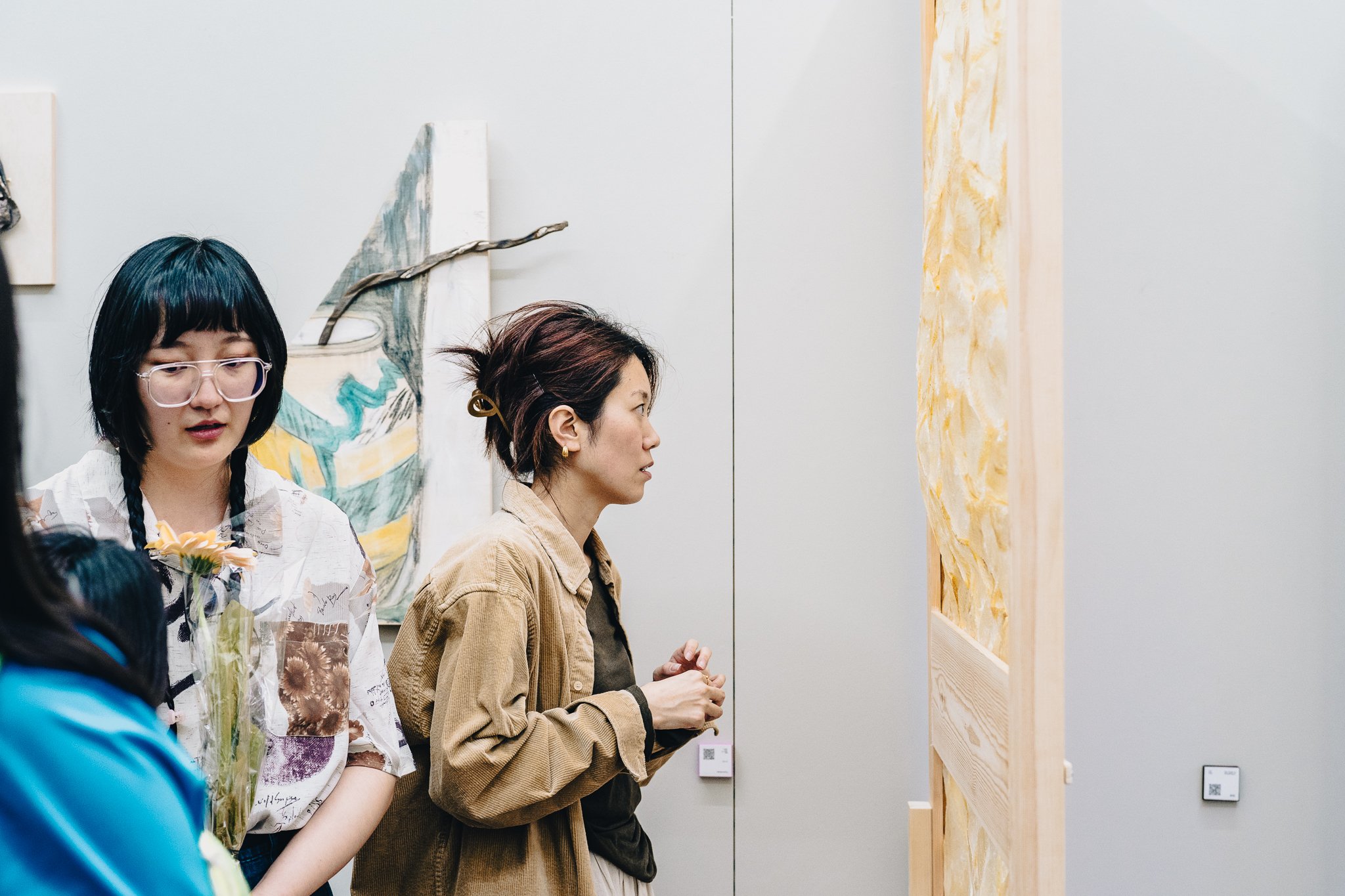
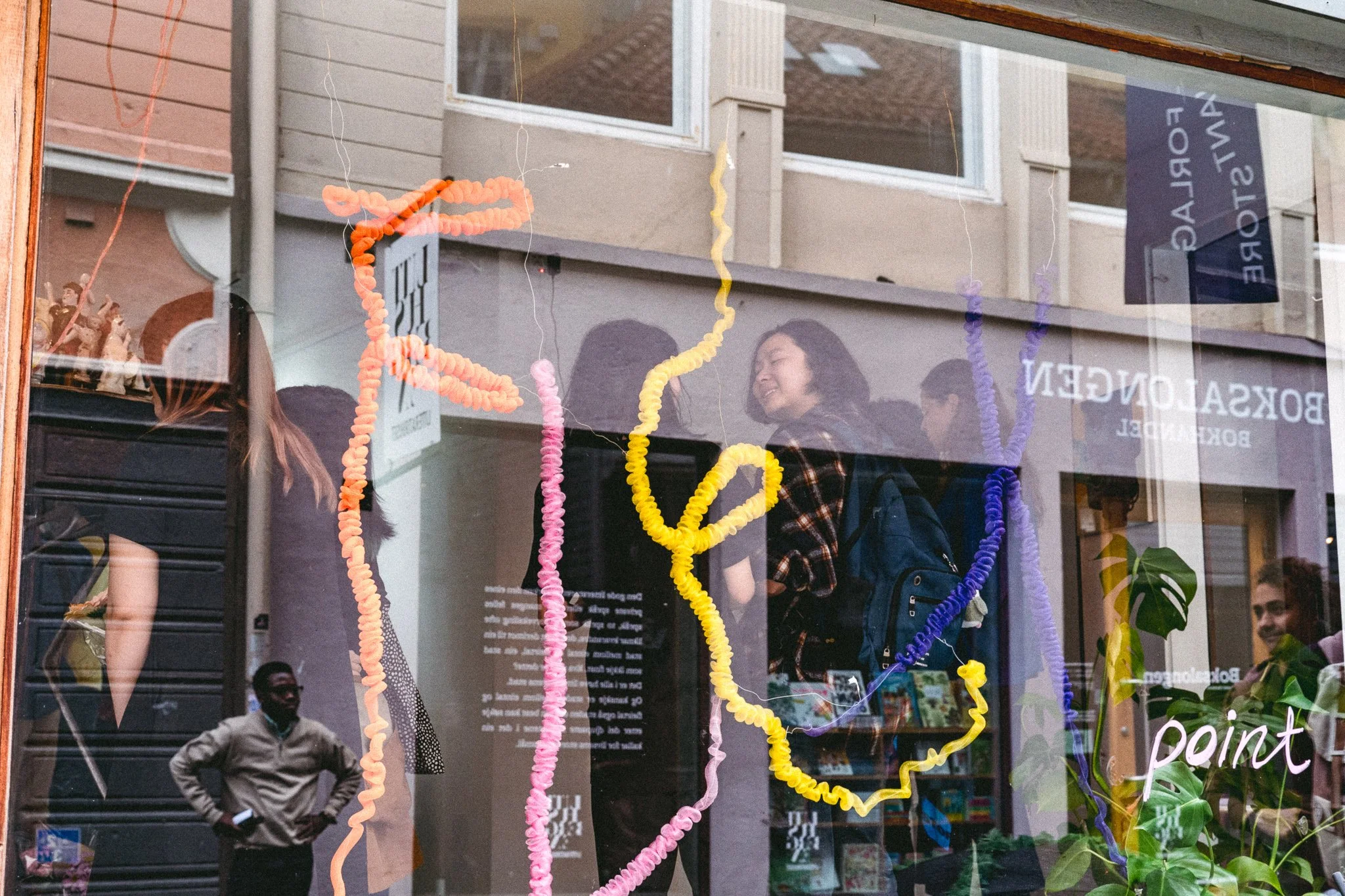
Northing and Entrée joined forces and opened  Flex Point – an exhibition across both spaces, presenting a group of 11 East-Asian artists and designers who recently graduated from academies in Norway.

Flex Point, also known as an inflexion point, is a point on a curve at which the curvature changes from convex to concave, or vice versa. Figuratively, it is used to describe a pivotal moment at which a major or decisive change takes place. On a graph presenting such a curve, unlike turning points that are easily recognizable to the non-mathematical eye, flex points tend to remain obscure and concealed. When you zoom in on such a point, the curve appears to transform into a straight line, seemingly indicating no significant changes have occurred. However, from that moment onward, something fundamental has indeed changed.

On June 9, 2023, an inconspicuous day on the calendar, the Norwegian parliament passed a law introducing tuition fees for international students from non-EU countries. This seemingly unremarkable day marked a flex point in Norwegian history, carrying significant consequences for the future. This spring, the last group of art and design students with East Asian cultural backgrounds who enjoyed free education graduated from Norwegian art schools and universities. Each of these individuals is now crossing their own flex point as they embark on their journeys to become artists and designers, whether in Norway, their home countries, or elsewhere in the vast world.

Opening speach

We, human beings, all have a fascination with straight lines. No, that’s such an arbitrary generalisation; no one wants to be arbitrarily generalised. Let’s start over again. I, a male Chinese former architect, have a fascination with straight lines. Words that describe straight lines sound all so positive: direct, straightforward, steady, prompt, unswerving…you have all of them. Theoretically, it is supposed to be the most efficient and fast way to bring two points together, from your current position to your goal. But in my life, if I trace back, it’s seldom, if ever, that I experienced anything occurring in such a linear pattern. our lives, please indulge me in generalising here, are wove out with all kinds of curves. If you’ve been skiing or snowboarding, no, you don’t have to do that to understand such a normal phenomenon. 

Like setting up this exhibition, with 11 exhibitors all riding up and down, left and right on their own curving trajectories of life, we finally come to this point, where all the curves meet in Bergen in the form of this duo-venue exhibition. 

The title of this exhibition is Flex Point. I don’t know if there are any physicists or mathematicians in the audience ‘cause I’m going to borrow quite a few terms from them, and if there are any, please don’t correct me ‘cause they’re all used metaphorically.

Flex Point, also known as an inflexion point, is a point on a curve at which the curvature changes from convex to concave. It’s not a turning point where the change occurred tends to be more visual on a graph. Flex points are more hidden and obscure, but once you pass one, something fundamental is changed. For example, the introduction of tuition fees for international students from non-EU countries; when we look back in the future, it might be regarded as such a point. But I don’t intend to elaborate on the things that we cannot change anymore. Let's focus on the East Asian artists here today, who did enjoy the last ride on the train of free education here in Norway.

However different all these exhibitors are, there was something in common that happened recently on their curves of trekking towards the goal of being an established artist or designer: They just reached a summit, a significant academic achievement; they all graduated with a master’s degree from one of the art institutions in Norway. Although there is still a long way to go towards that ultimate goal, you have already done a great job reaching the milestone where you can see your goals clearer and probably closer. So, congratulations to all of you! Well done! 

Now, it’s time to move on. I understand it could be a bit scary to walk away from a summit because it might appear that from now on, no matter which path you take, before you can start ascending again, you have to walk down first. There’ll be new challenges and obstacles, new decisions to make (sometimes it won’t even be you who makes these decisions), like visas and work permits, grants and job opportunities, staying here or pursuing your dreams elsewhere, but as long as you keep on striving and do what you were confirmed that you have talent in; eventually, you’ll be going up again, maybe sooner than you expected, especially when you feel it’s getting tougher, the journey becomes arduous again, that means you are drawing closer to the next summit.

We were once like you, testing the soil here with no roots but trying to find the right spot to grow one. We are still like you, seeking opportunities and support to move forward to get closer to our dreams. And trust me, opportunities and support will come in different shapes and occasions. That’s also one of the major purposes of Northing: to promote and support East Asian artists in Norway. 

And we are also grateful for all the support that we received from the local art community. Especially our collaborator in this exhibition, Entrée. Thanks, Kristen and Randi, for making this happen. Our thanks also go to Bergen Kunsthallen, Bergen Assembly, our great neighbour Literature House in Bergen, Grafill Bergen and OK Kontor for supporting us with equipment and love, to Bergen Kommune for their continuing support and the permission for the performance on the streets. Last but not least, an internal thanks to my great partner, Yilei, for pulling off such a fascinating visual identity for the show; it's an art piece in itself.

We hope this exhibition could be a potential inflexion point for all the exhibitors, where a little more effort, a slight nudge to the side, might give it enough momentum to make a fundamental change, from convex to concave, from acceleration to deceleration. It might still go in the wrong direction for a while, keep going down, keep sinking, but in a highly anticipated future, it will brighten up and start climbing again.