As a girl raised in a Chinese family, even though the family had long since relocated from its homeland to a country with a climate and a culture in stark contrast to its original ones, Xin Li has like many East Asian girls often been reminded, most of the time just out of habitual kindness, that as a girl, you should behave like one - be tender, be soft.
Growing up in a Norwegian society which emphasises equality and feminist power, Xin also went through the rebellious teenage years with scepticism towards this inherited value of softness. But as a grown-up, she started to reassess the East Asian idea of feminine virtue. What does it actually mean to be soft? Is it merely a positive quality of tenderness and care? Is it just restraint, obedience, and sometimes even a burden? Nevertheless, as a cultural inheritance, or a family gift, through time, the softness carved into her became an important part of her identity. Sometimes she even wonders if being soft is a form of empowerment when it’s a choice instead of an obligation.
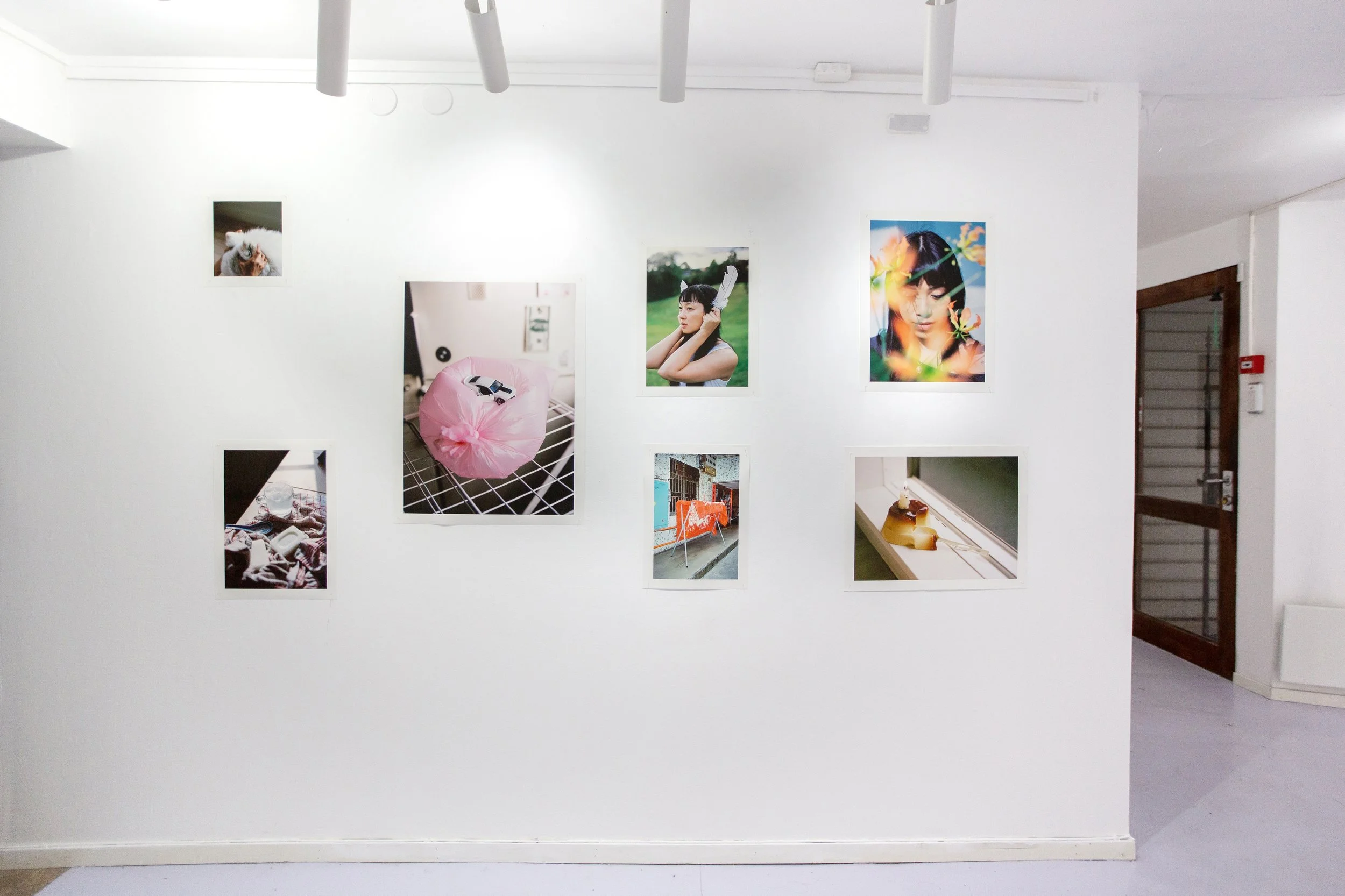
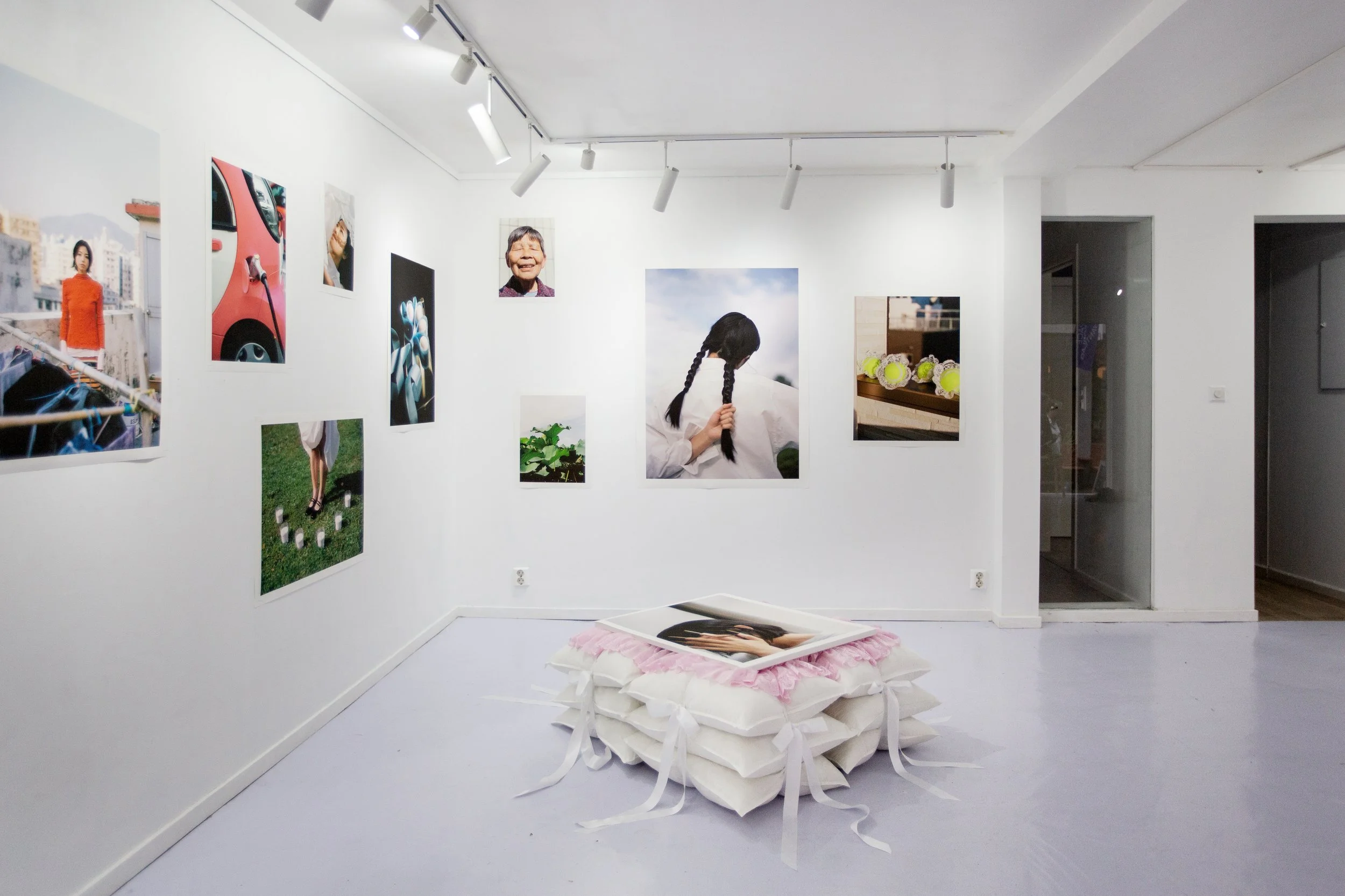
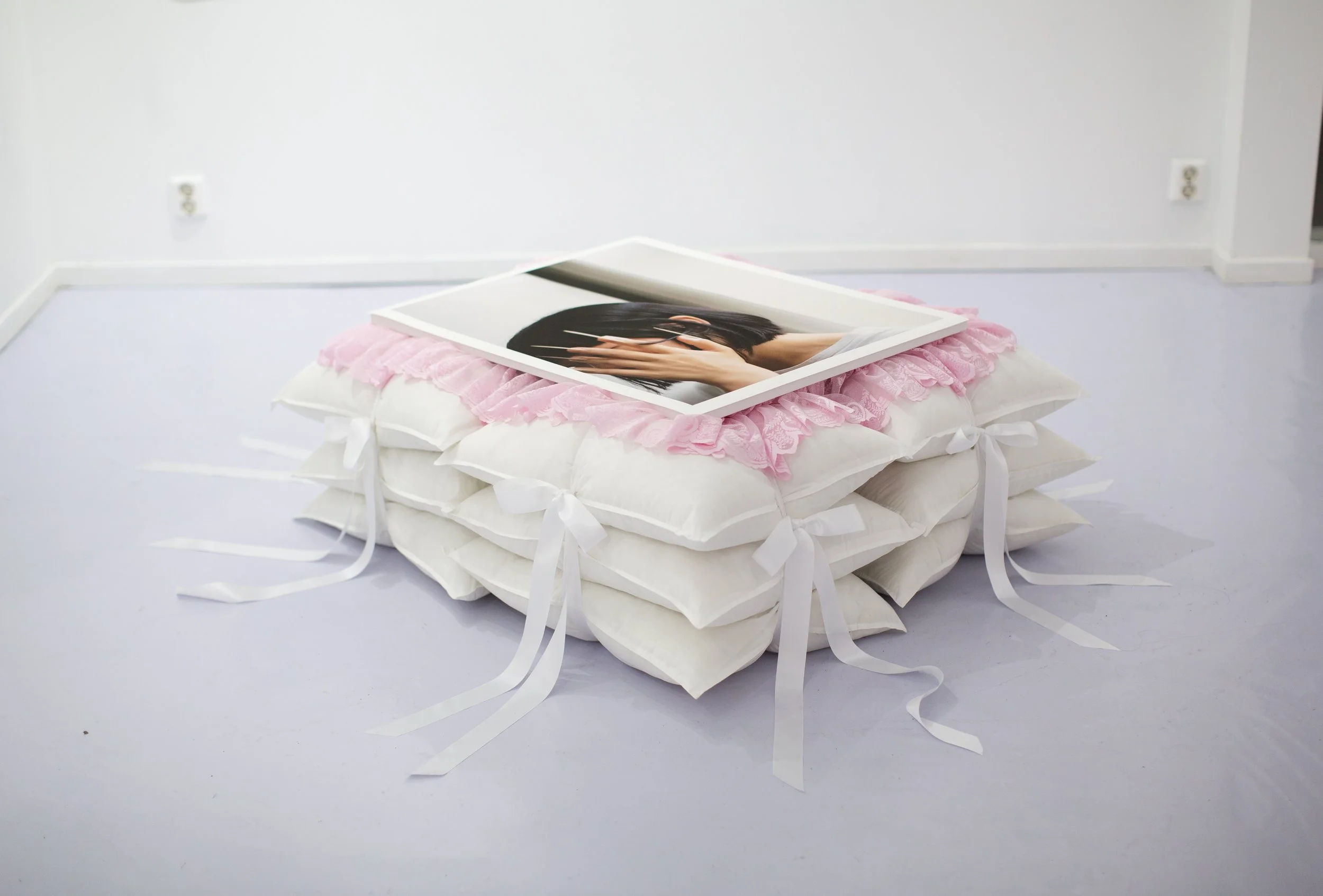
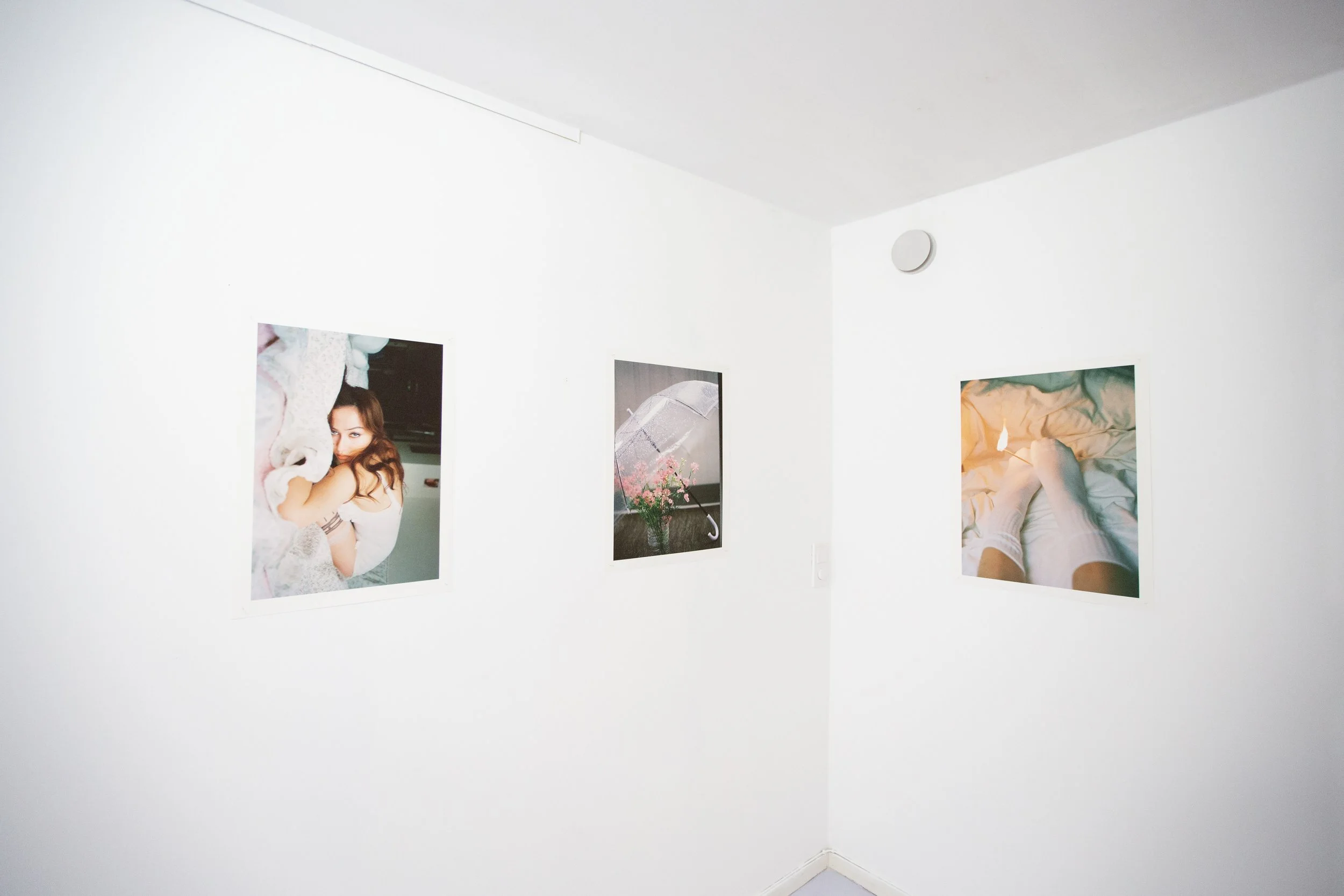
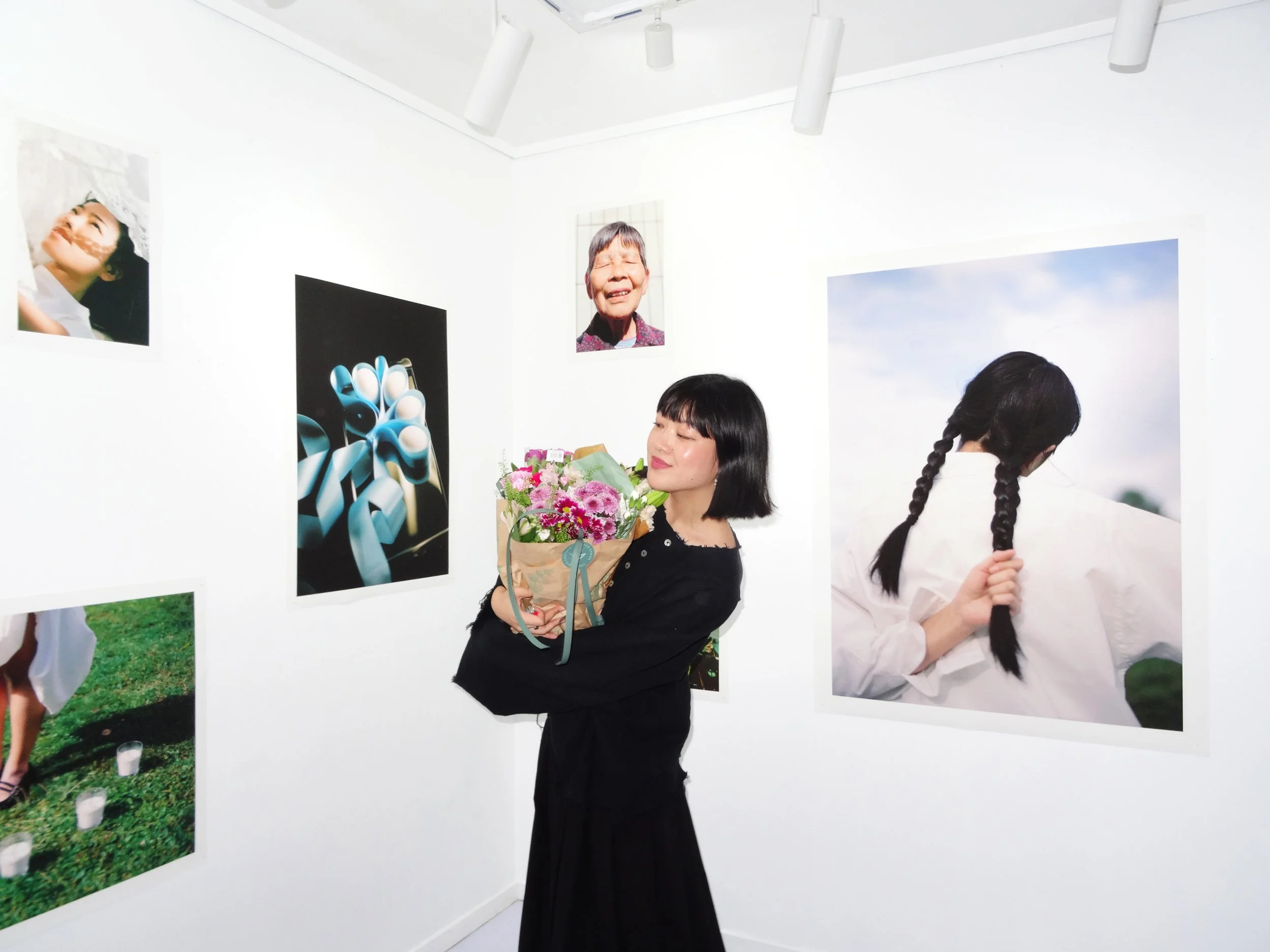
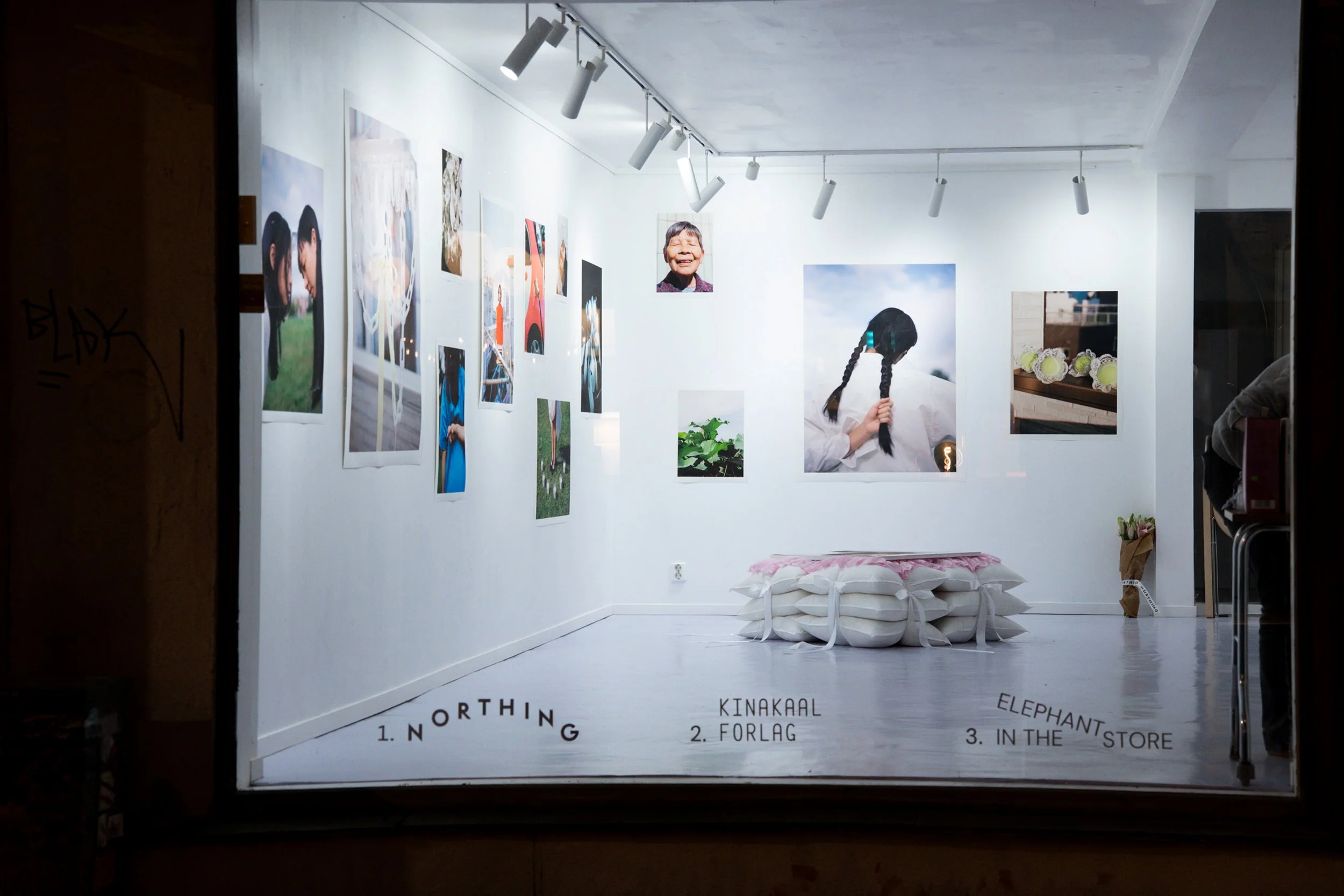
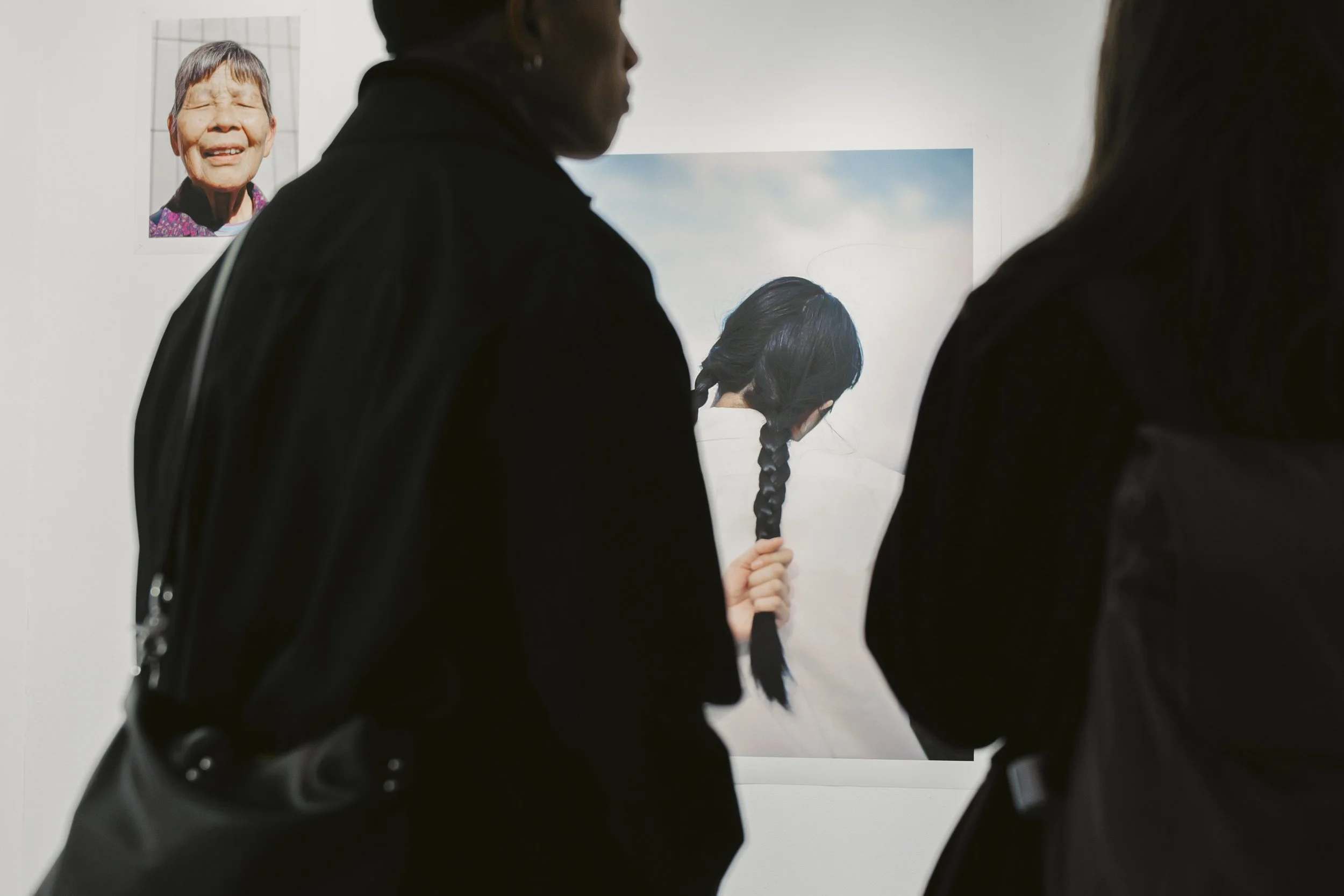
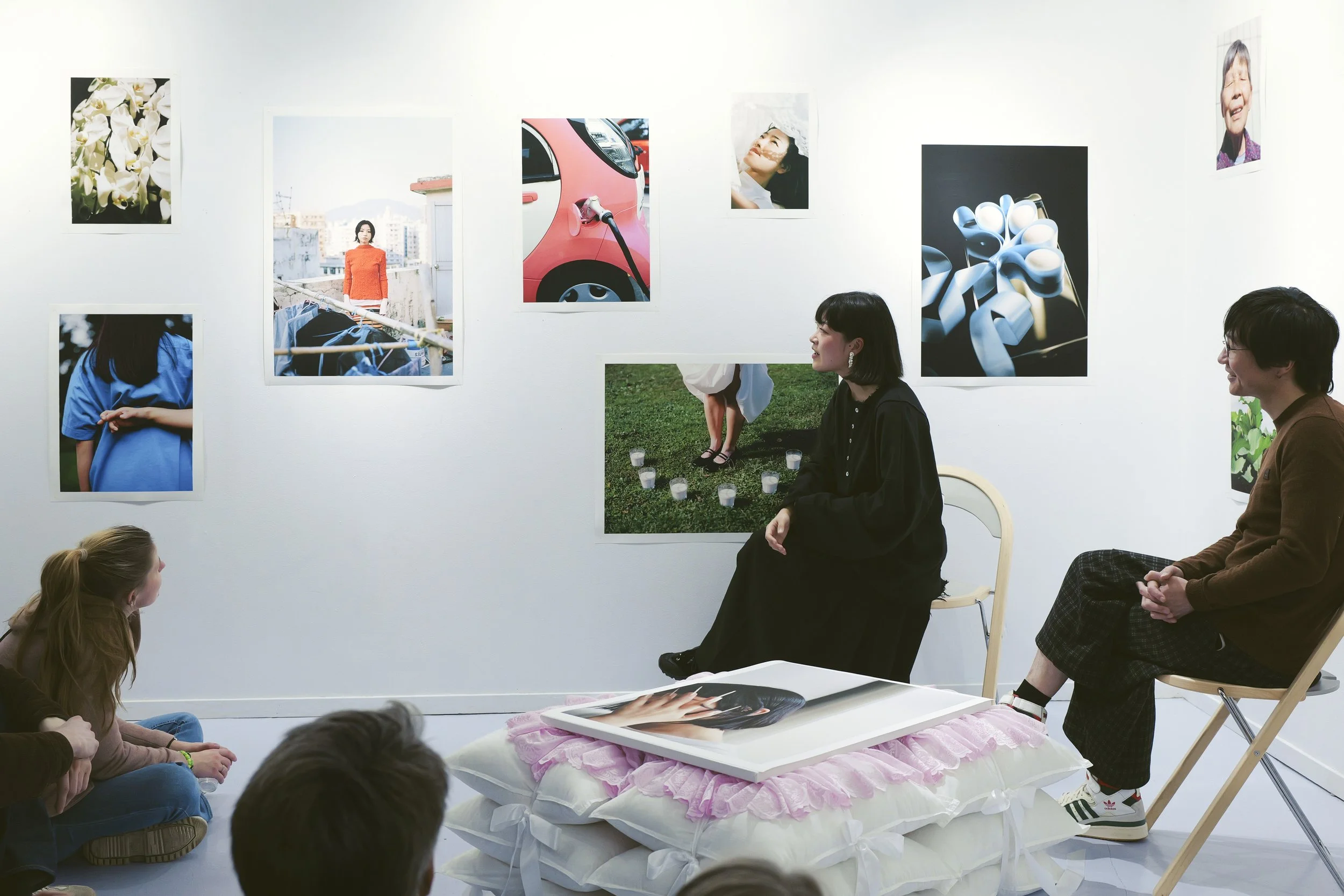
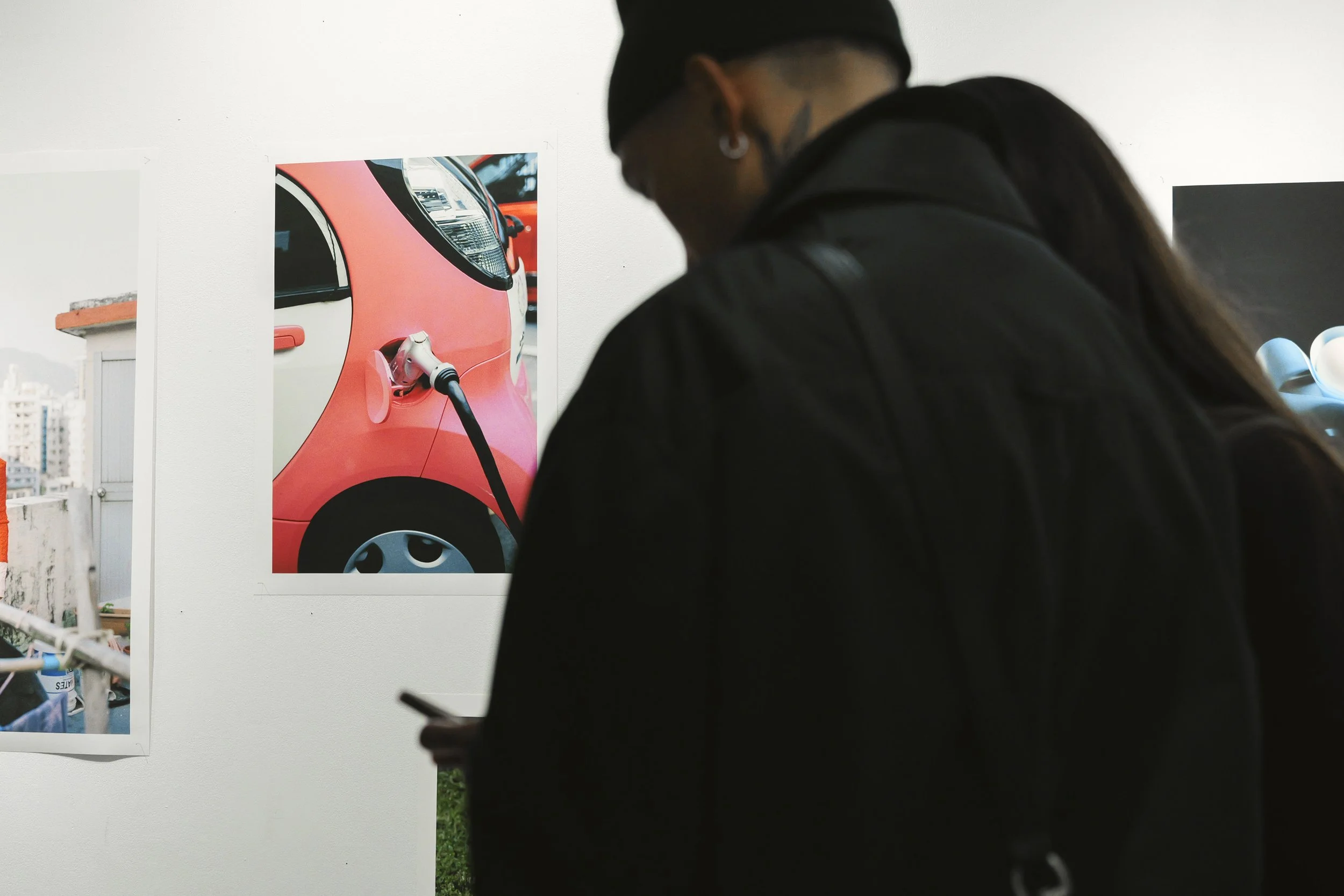
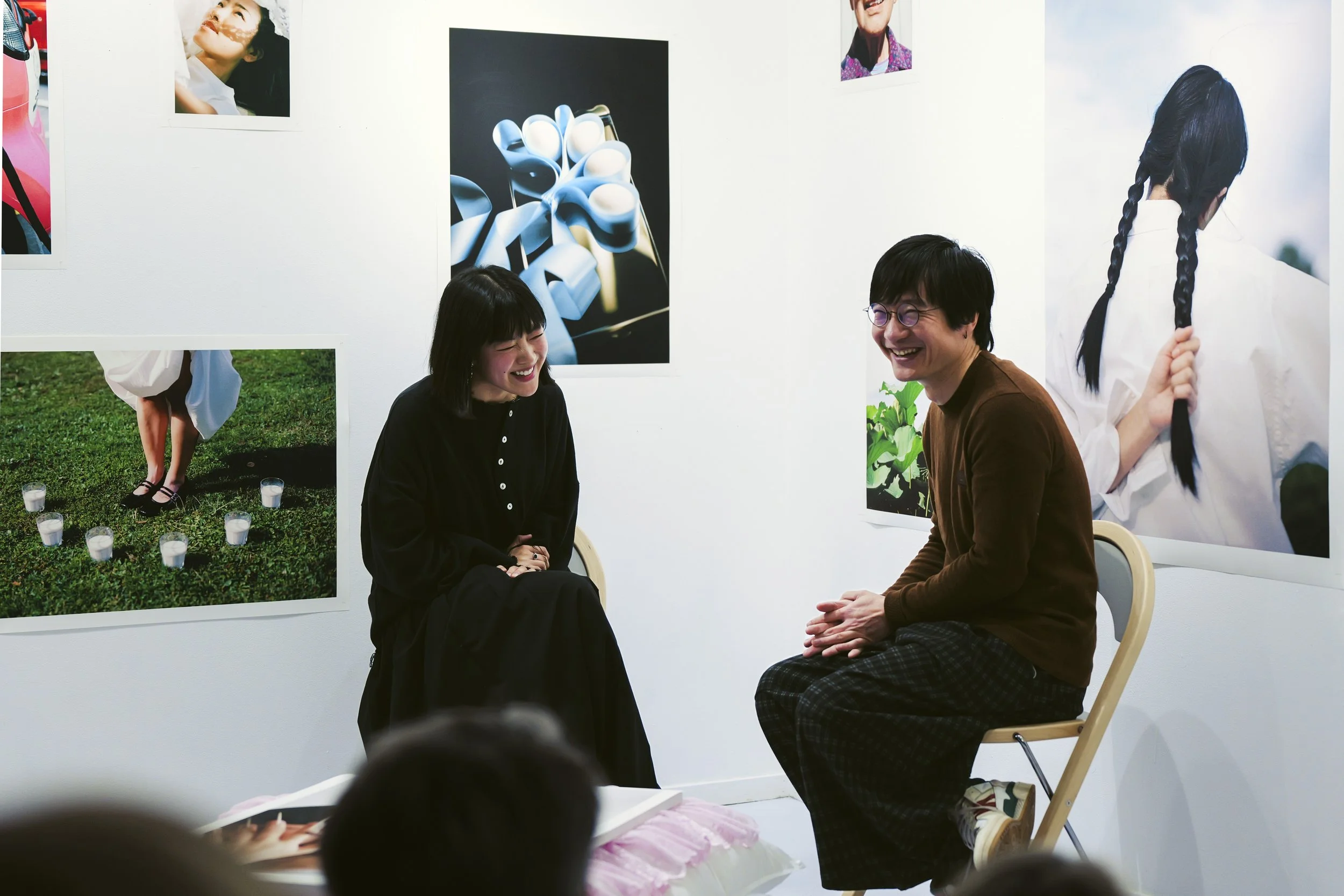
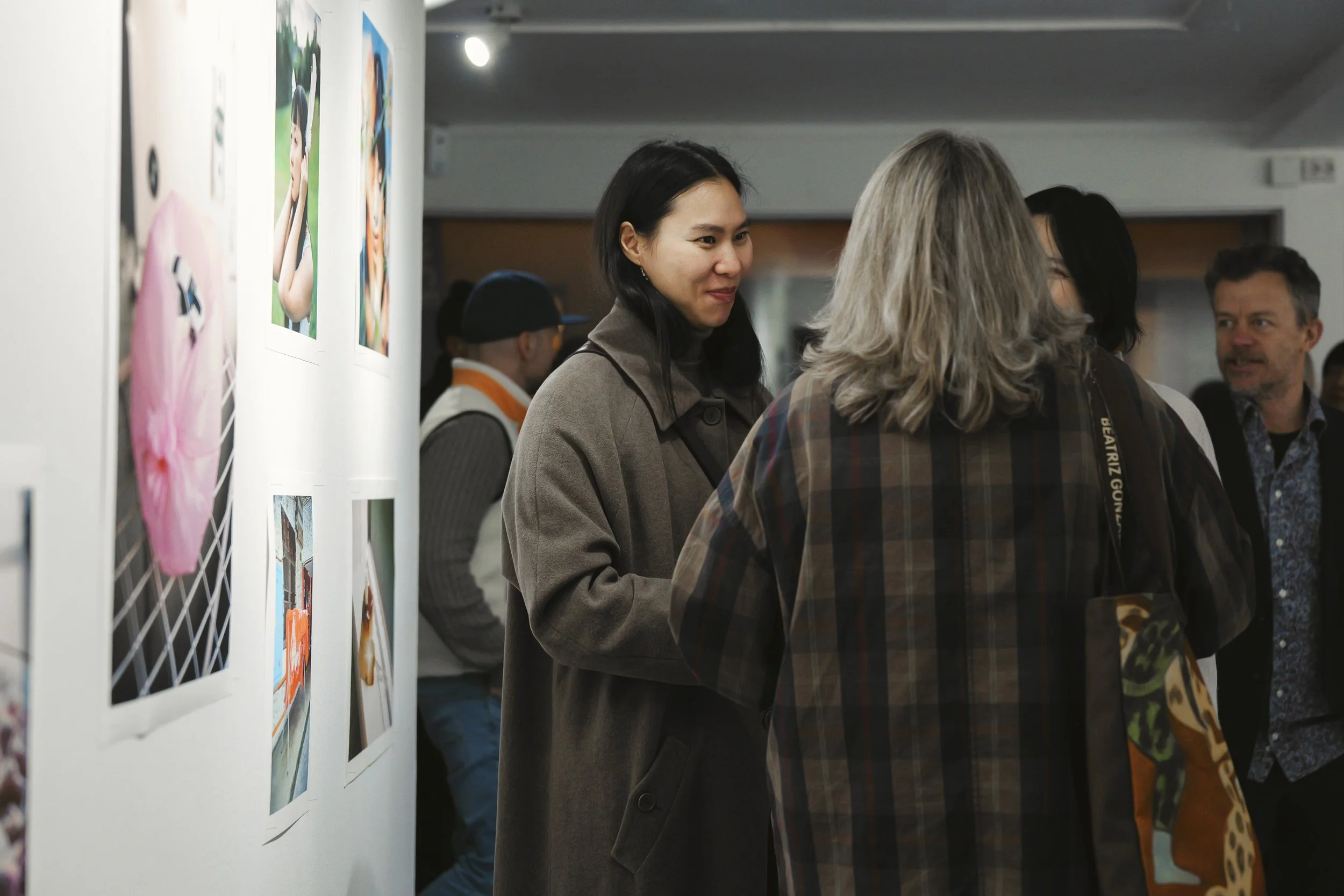
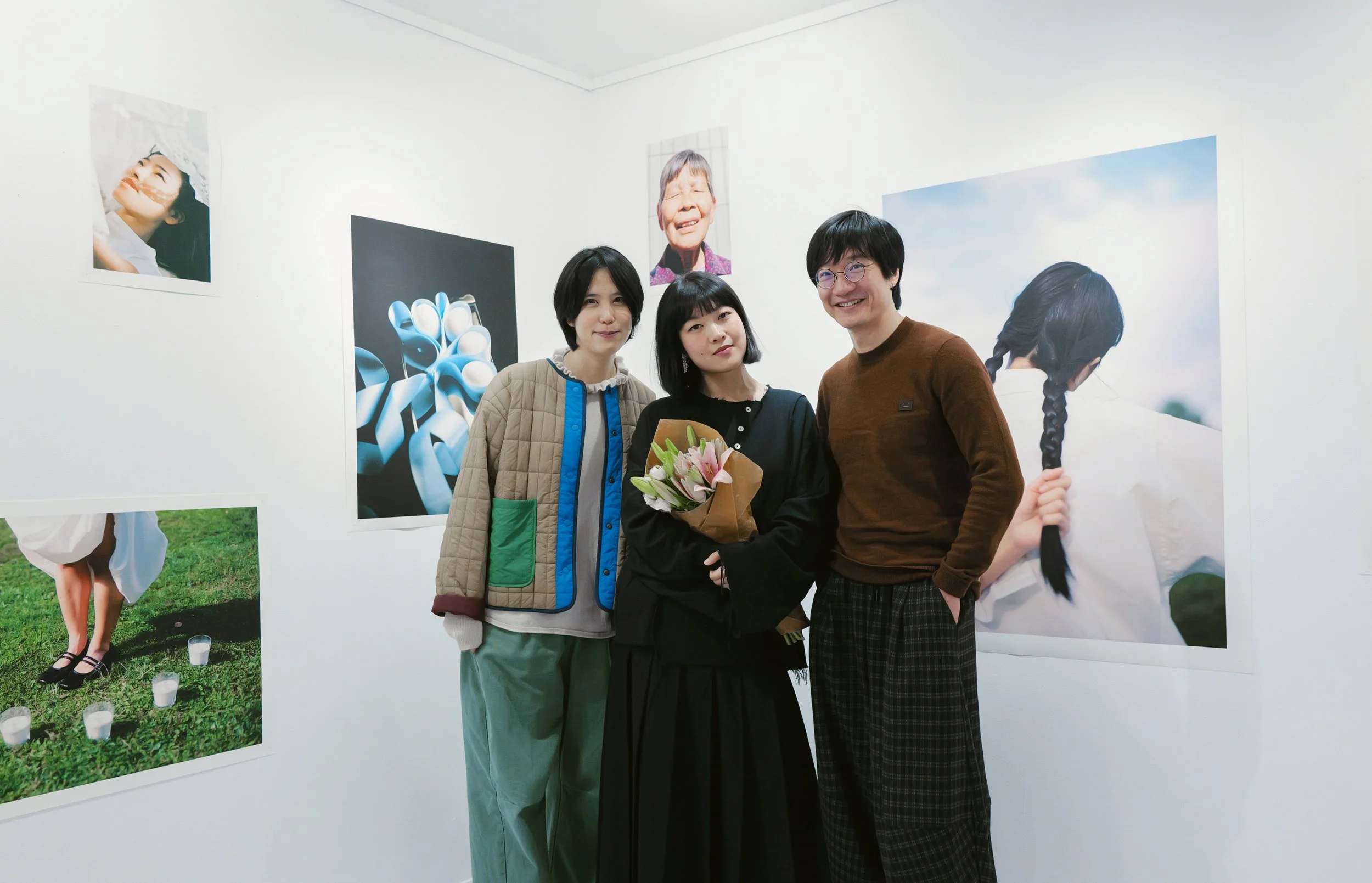
With her camera, Xin documented and staged a series of images of East Asian women and still lifes, as a way to visualise and externalise her inward exploration of this duality that exists in softness.
Soft Spoken Exhibition text ╰(○'◡'○)╮
“Don’t do that. You’re not a boy.” My mother-in-law used to say this to her only granddaughter whenever she got up to something mischievous.I’ve noticed that she hasn’t said it for a while. Perhaps Naomi has simply grown out of those little boyish antics (not that she ever had many to begin with). More likely, it’s because I always reflexively remind my mother-in-law, usually without much consideration, how inappropriate such a remark might sound in the country where we now live. Here, we’re supposed to be equal, which means girls should be free to do whatever boys are allowed to do.And yet, deep down, I rather agree with her. (Why I always choose to agree in silence but dispute aloud is something beyond me.) My daughter is not a boy, and I’m genuinely happy about that. After all, girls are smarter, prettier, more patient, better at tolerating pain, more considerate, and tend to live longer. The list goes on and on. So why on earth should she behave like someone so obviously inferior?
ʕ •ᴥ•ʔ
Secretly (not any more, I guess, now that I’m writing about it here), I’ve been wishing that my daughter would grow up to be someone like Xin, or at least like one of the girls who appear in Xin’s photographic series Soft Spoken, who navigate through multiple cultures effortlessly, confidently and elegantly, while remaining as Asian as they were born to be, with their immaculately dark hair and unfathomable dark-brown eyes.
But isn’t that typical for Asian parents to wish their child to be like someone else? Sometimes, arguably, being Asian is something of a superpower: it’s so easy to blend in in any of Asia’s major metropolises, such as Tokyo, Shanghai or Seoul, yet just as easy to stand out, to be someone special, once the context shifts.
,,Ծ‸Ծ,,
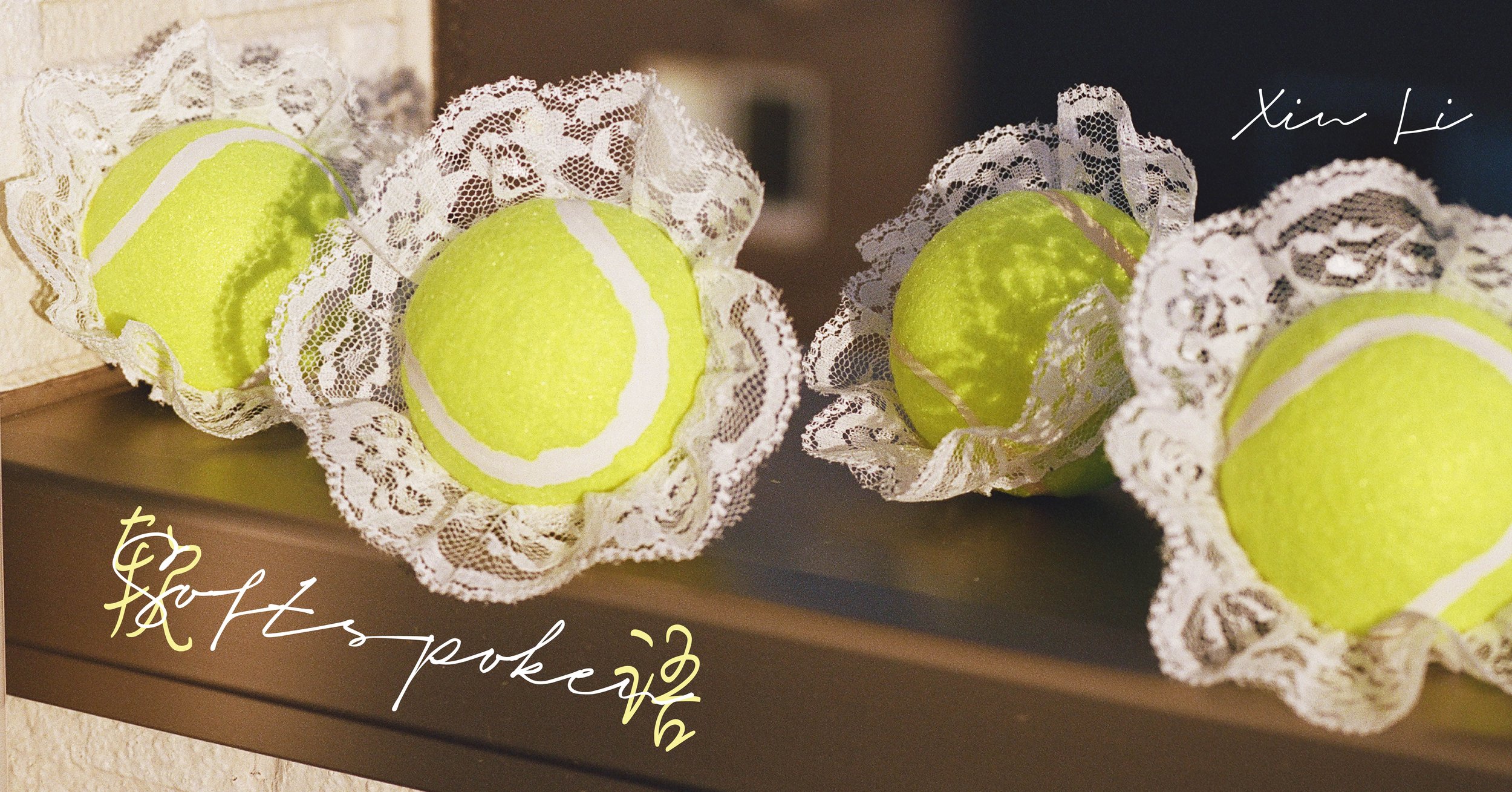
One piece of good fortune I unfortunately don’t share is being a girl. All these beautiful girly things, like orchid bonsai and pearl-white bow ties, teddy-bear candles and anything wrapped in a lace skirt, perfumed soaps and delicate nail polish. A girl, I presume (how would I ever know?), could openly declare her fondness for all these things without feeling ashamed or being seen as deliberately eccentric.
Another secret divulged.
Perhaps the triumph of feminism in Asia lies not in girls growing up to be more like boys, but quite the contrary, in boys growing up to be more like girls. Pan-East-Asian soft masculinity might just be the hope of a more peaceful world. Hopefully. Perhaps that’s why East Asian culture is being rediscovered through K-pop and gaining popularity in the Western world. Even Wing Chun, the widely practised Chinese martial art, is said to have been invented by a woman.
Ben 30/10/2026