Wild as a Hare
-
also known as No.223, was born in 1979 in Shantou, Guangdong, and is currently based in Beijing. He is a photographer, writer, and independent publisher. As a calm observer of multiple identities and life transitions, Lin captures the people, places, and experiences around him—documenting everything from fleeting moments to the complexities of life, form, and growth.
His work has been exhibited at numerous art fairs and museums worldwide, including Unseen Amsterdam, Paris Photo Fair, Photo Basel, and Copenhagen Photo Festival, as well as at prestigious venues such as the ICP New York, MEP Paris, Art Gallery of Western Australia, and Staatsgalerie Stuttgart. Recent solo exhibitions have been held at The Delaware Contemporary (USA), Canton-Sardine Gallery (Vancouver), Akio Nagasawa Gallery (Tokyo), The Walther Collection (Ulm), In Between (Paris), Galerie Kitsuné (New York), M97 Gallery (Shanghai), de Sarthe Gallery (Beijing), Stieglitz19 (Antwerp), Migrant Bird Gallery (Berlin), and Glenda Cinquegrana (Milan).
Lin Zhipeng has been featured in documentaries by ARTE France (La Chine dans l’objectif) and NHK Japan (China Through the Lens of Youth).
As part of his art practice, Lin has published photography books in China, France, Canada, Japan, and Italy. His book No.223 was named one of the best photography books of 2012 by PHOTOEYE, and Sour Strawberries was listed among the best photography books of 2018 by El País (Spain).
30th May -
27th July
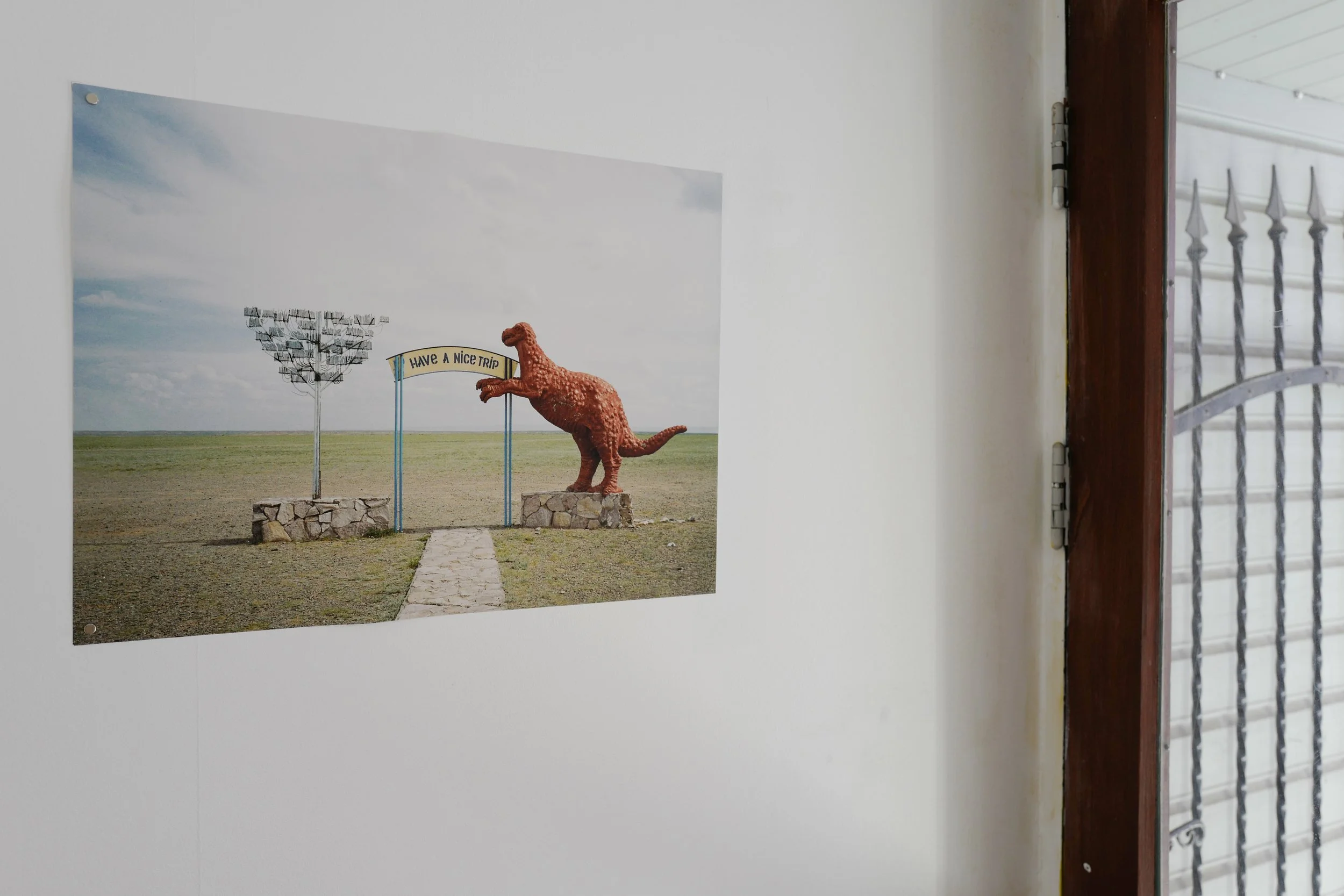
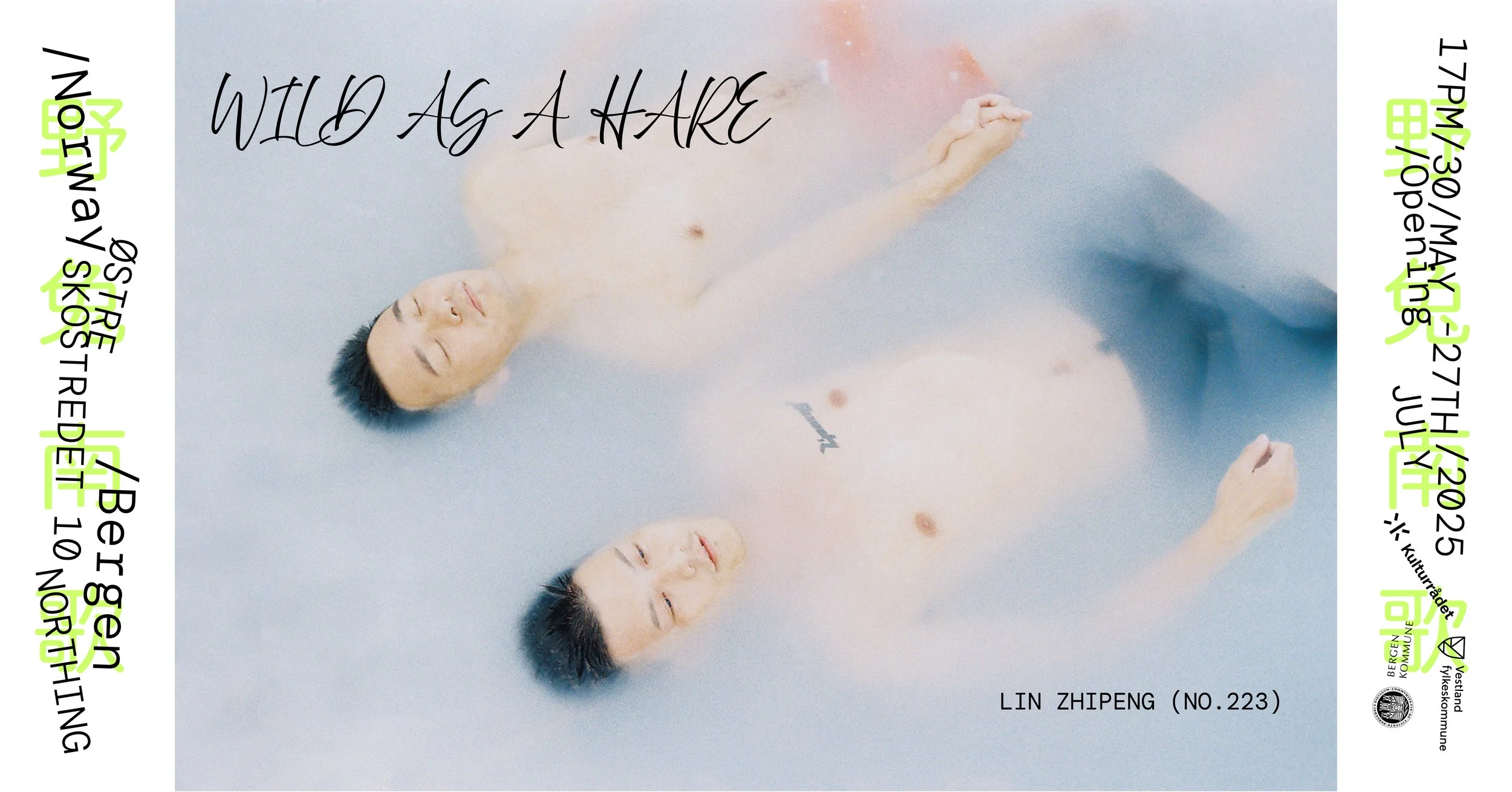
Northing – Centre for East Asian Art and Culture is thrilled to present Wild as a Hare, a retrospective exhibition of the acclaimed Chinese photographer Lin Zhipeng (also known as No.223). Over more than two decades, Lin has documented the intimate and often conflicting lives of a generation of Chinese people who have witnessed their society shift from being relatively open and liberal to increasingly restrictive and repressive.
Against this reversing trend in social and cultural development, Lin Zhipeng continues to lead the fine art photography scene in China with his seemingly boundless creative energy and his passion for the sparkle of beauty and love in everyday life. True and intuitive to his unique visual language, Lin remains dedicated to challenging boundaries.
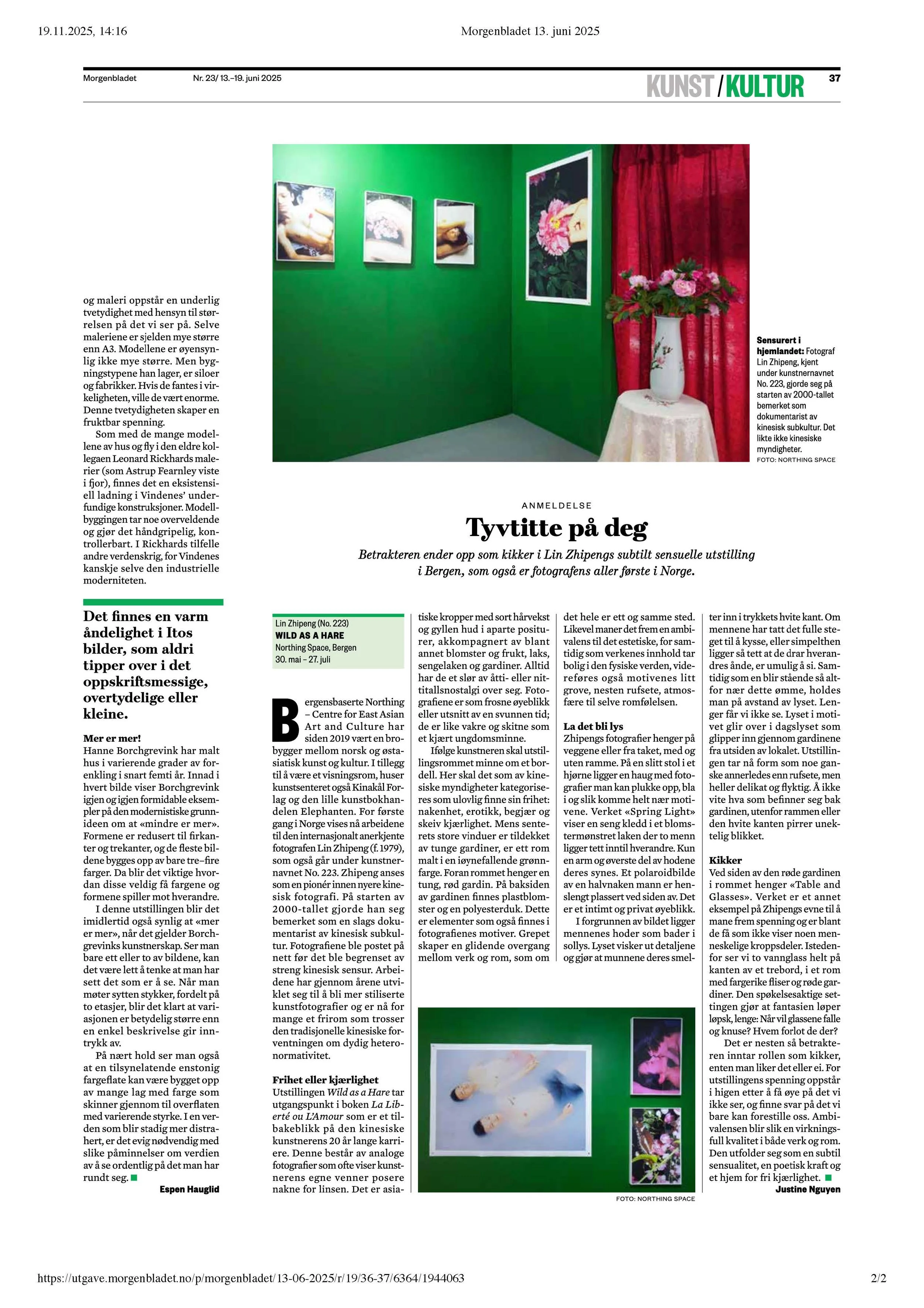
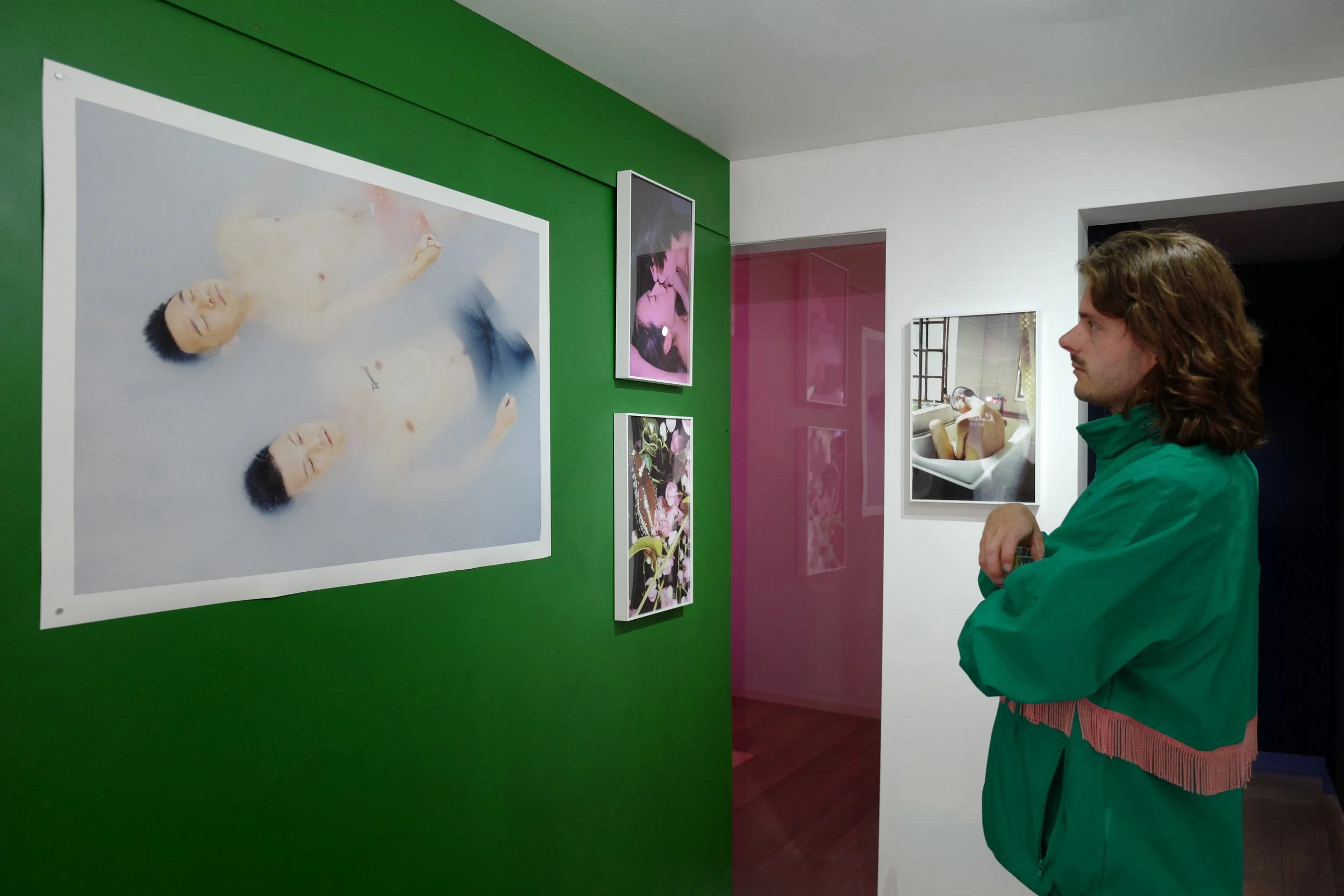
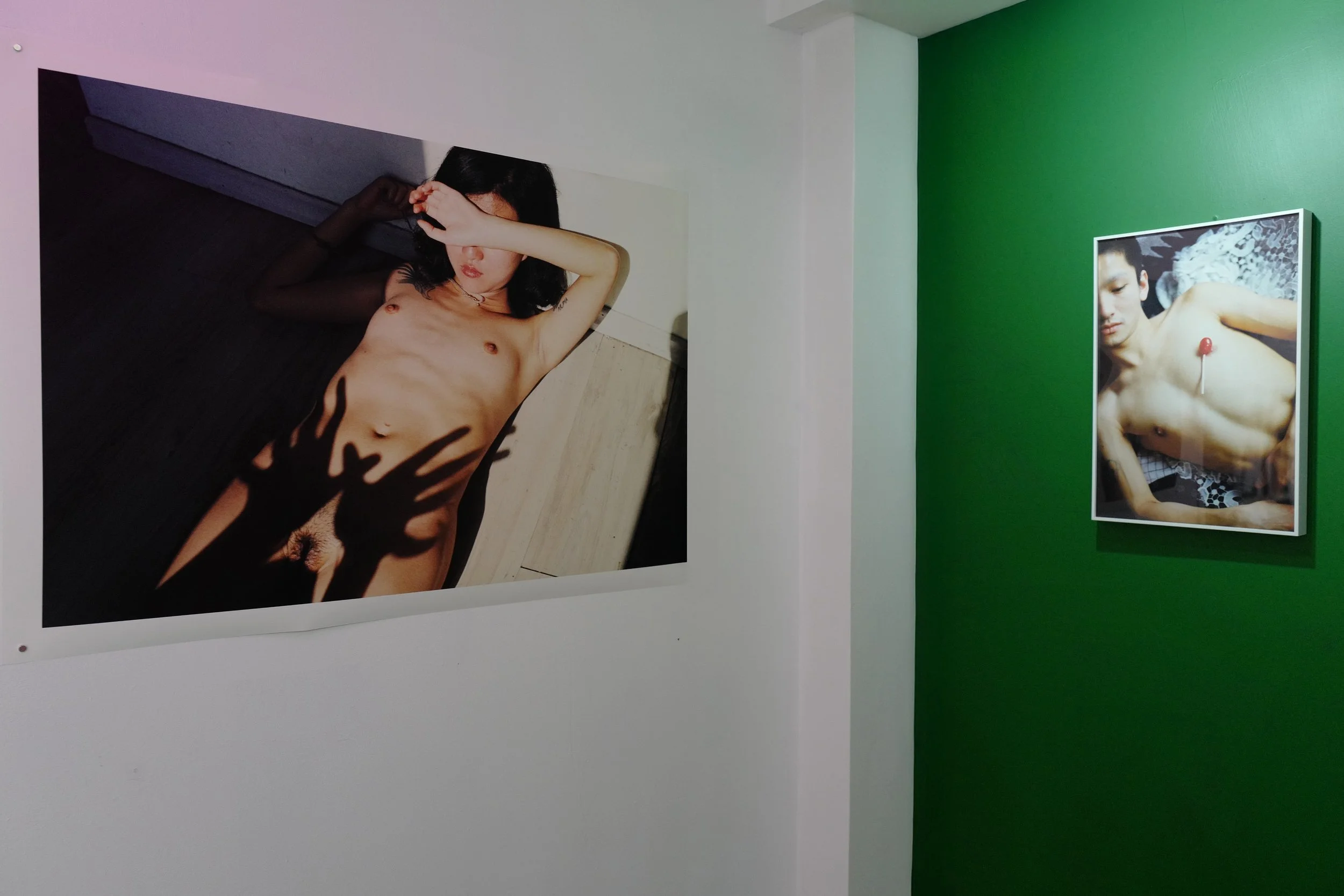
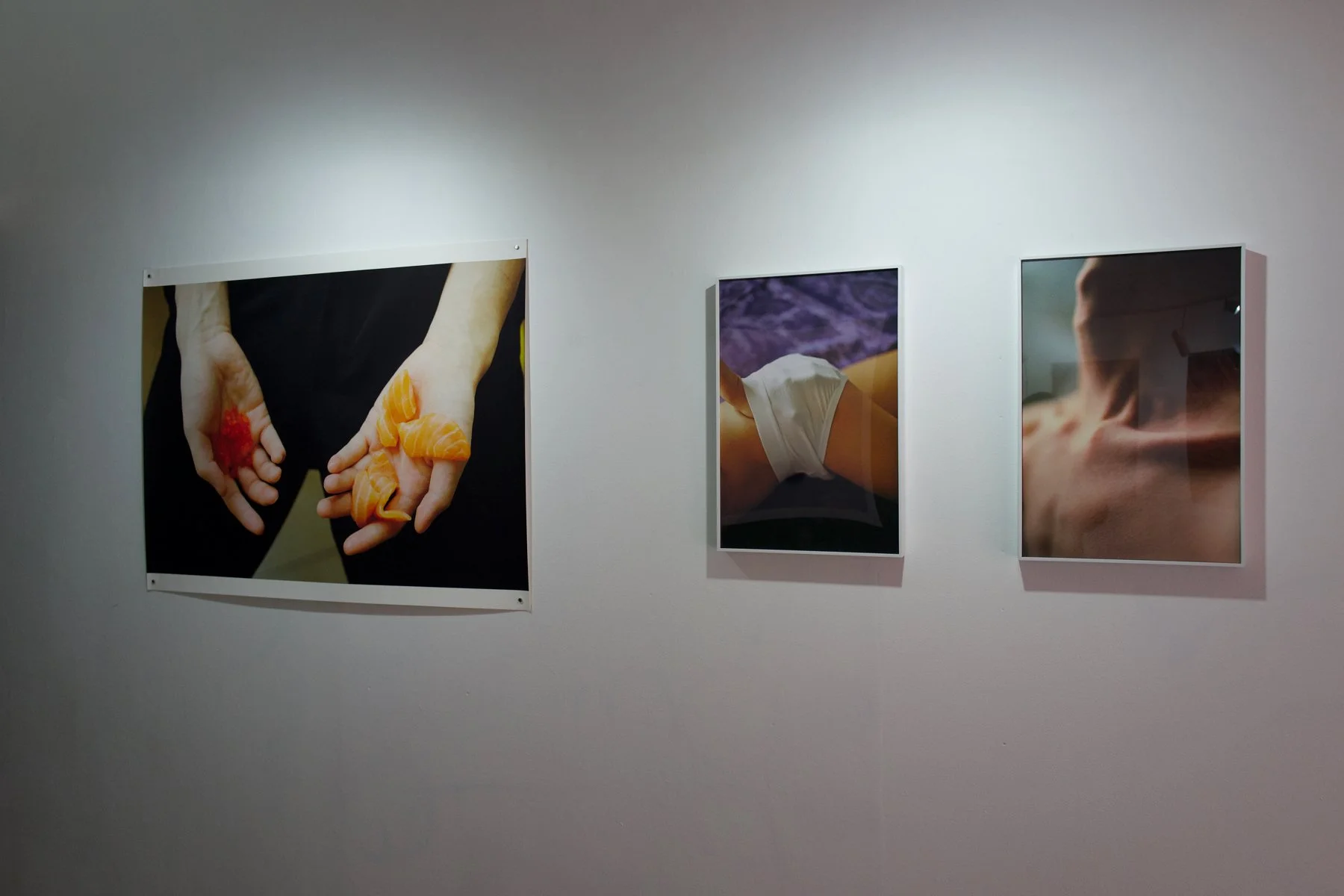
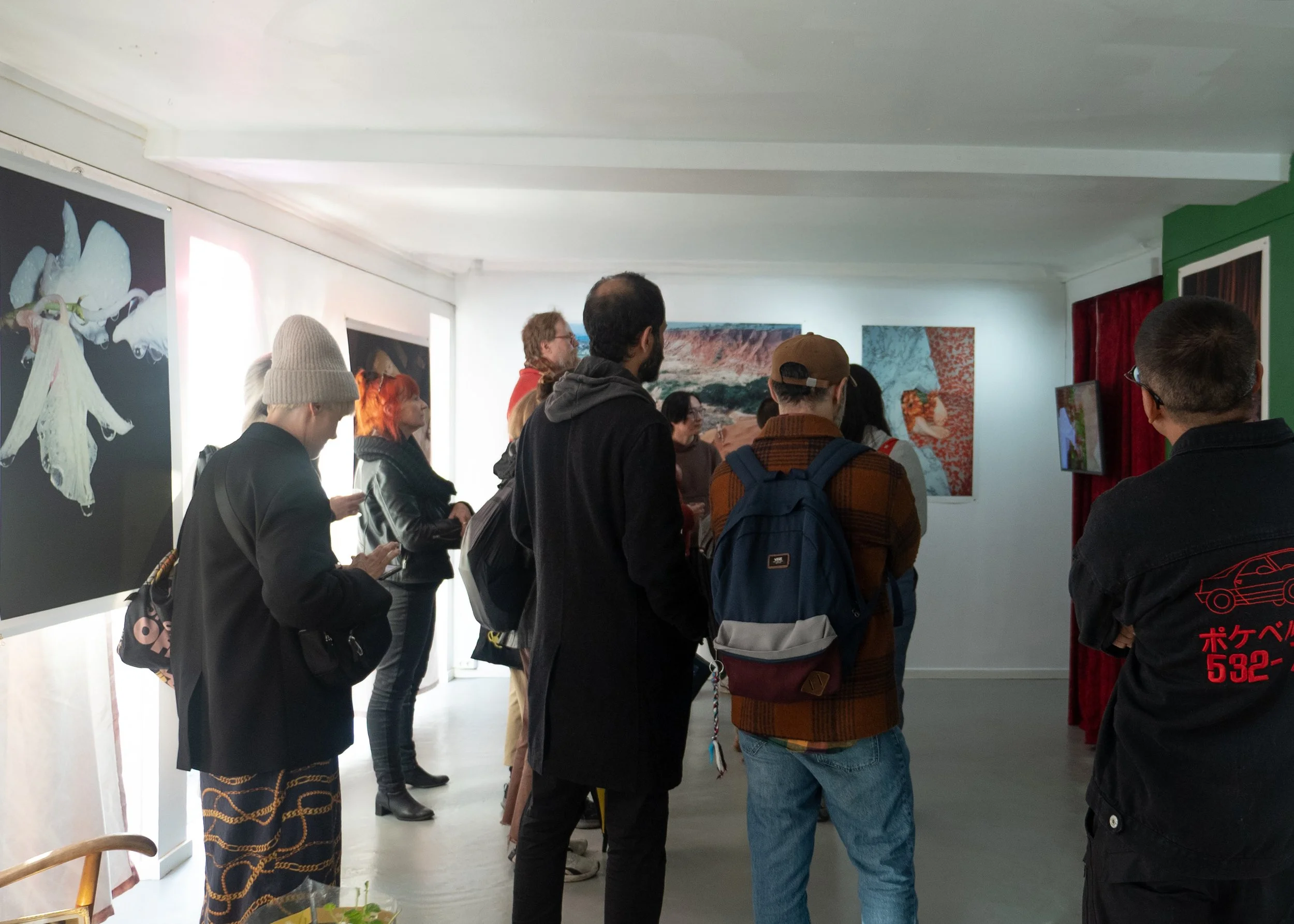
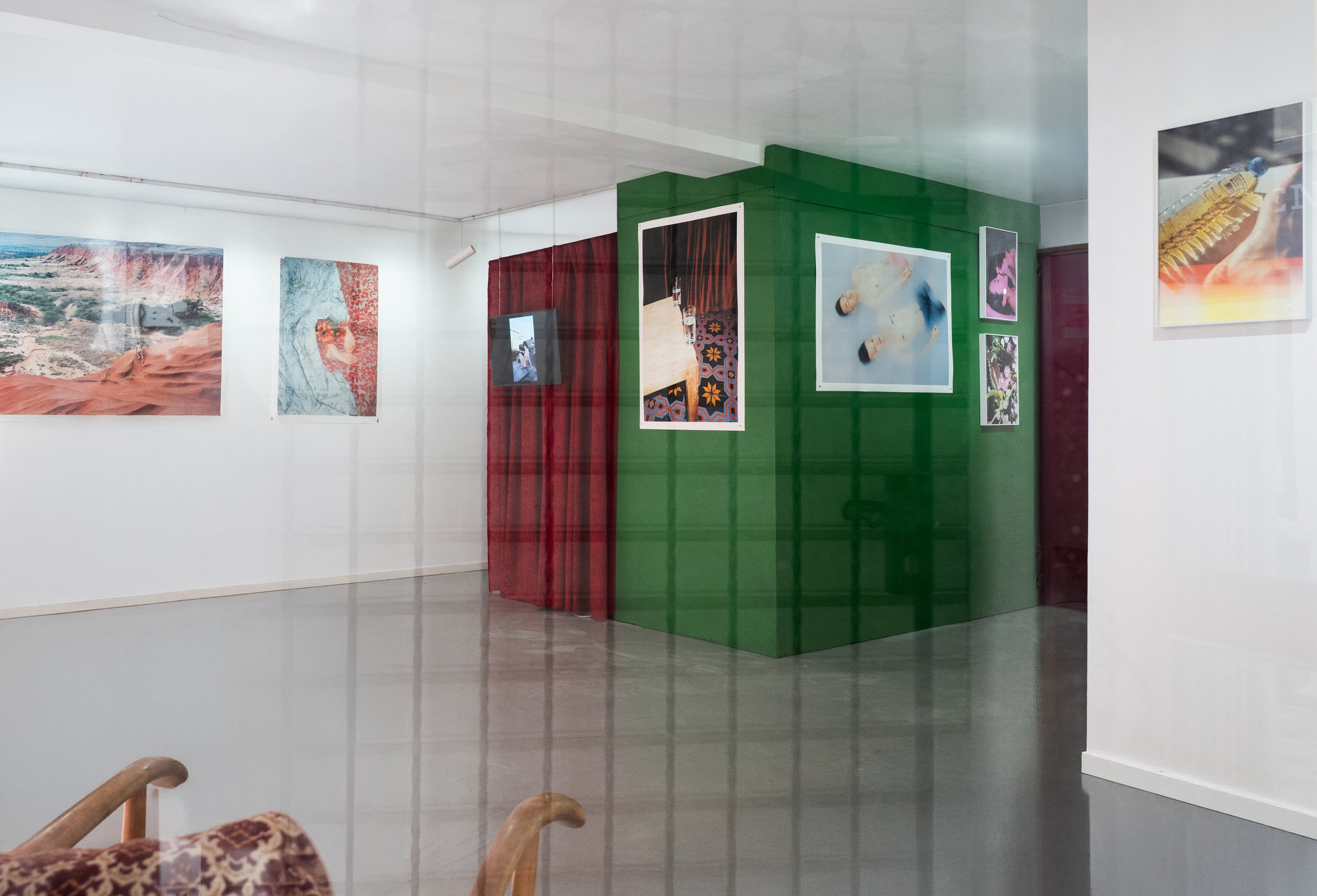
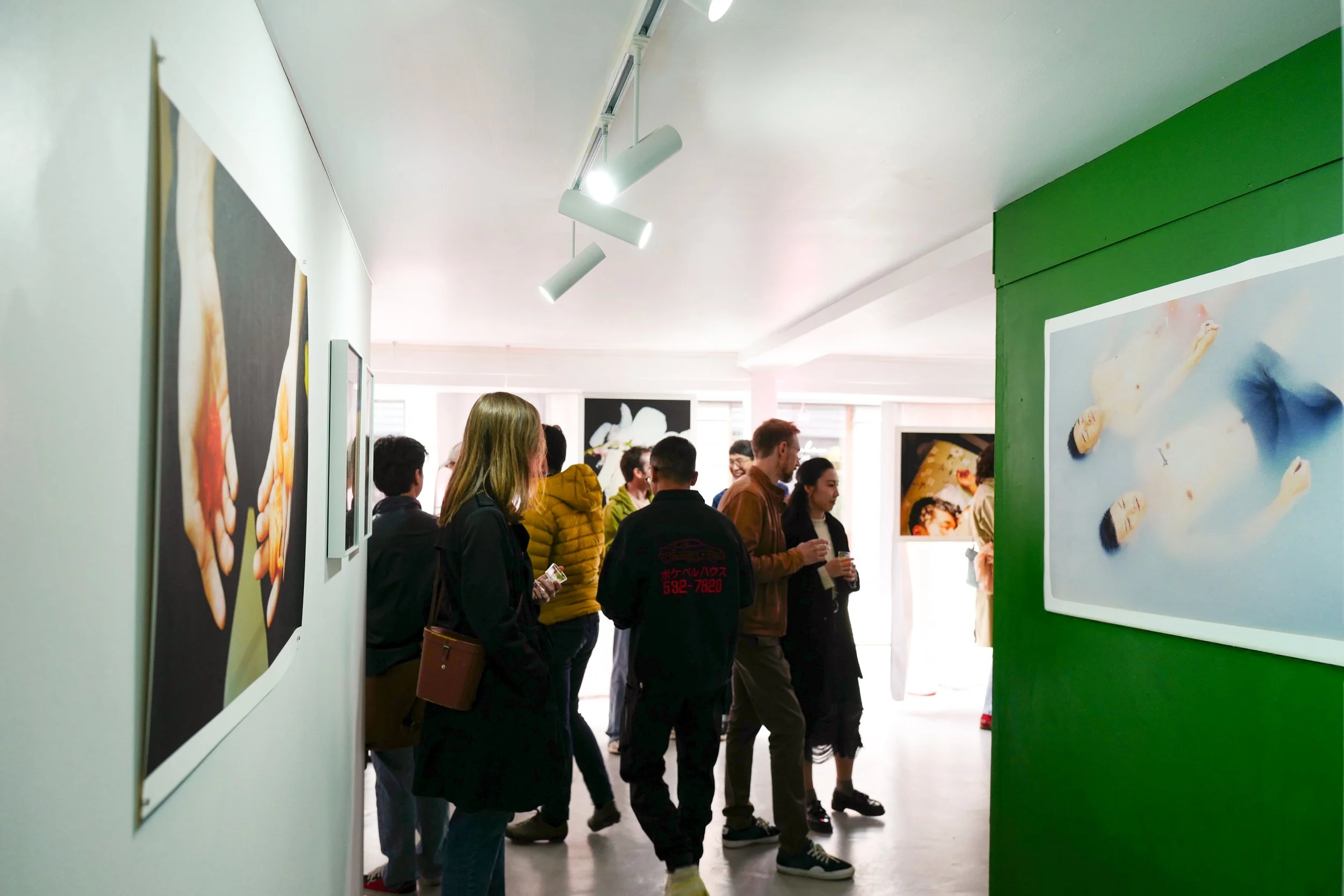
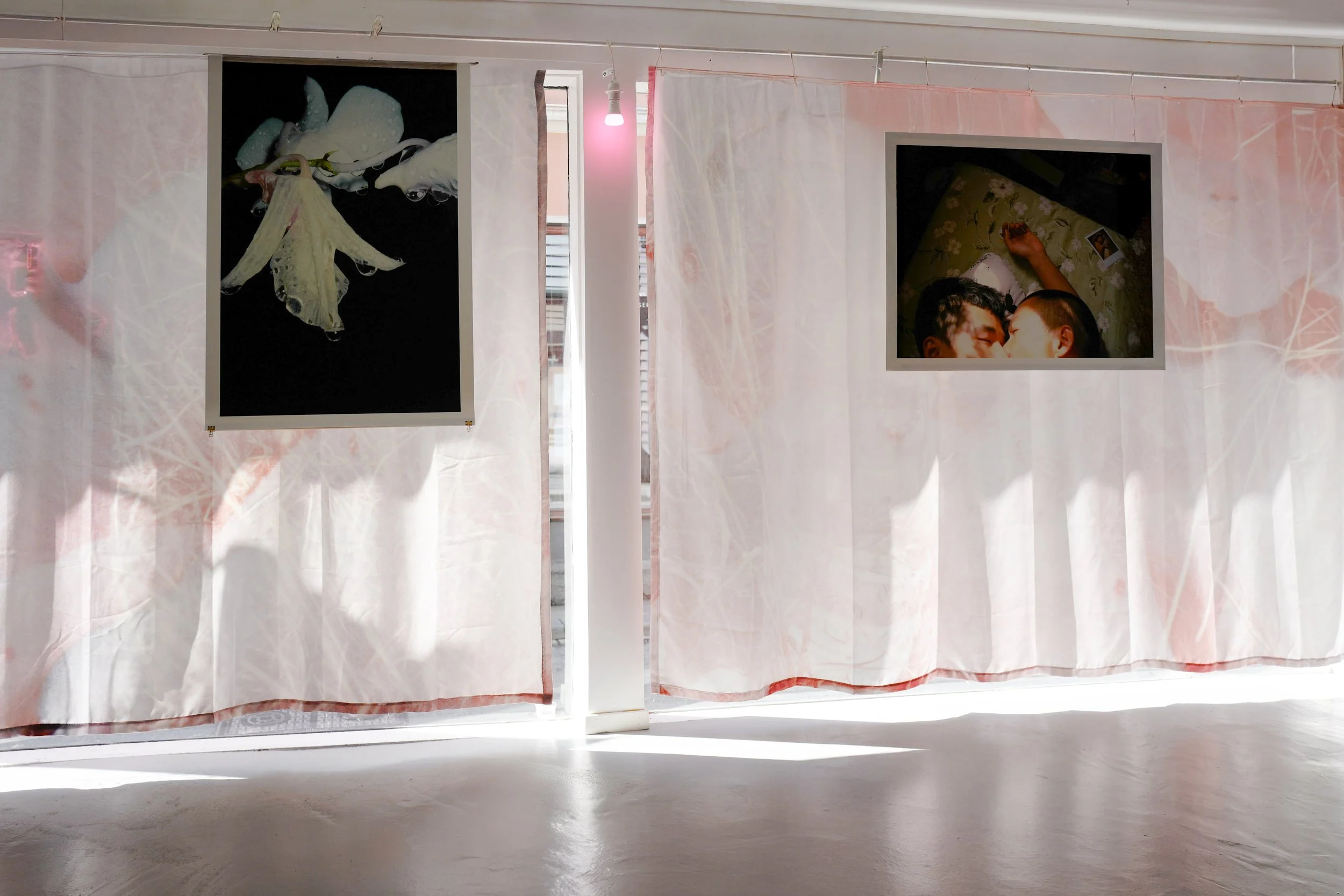
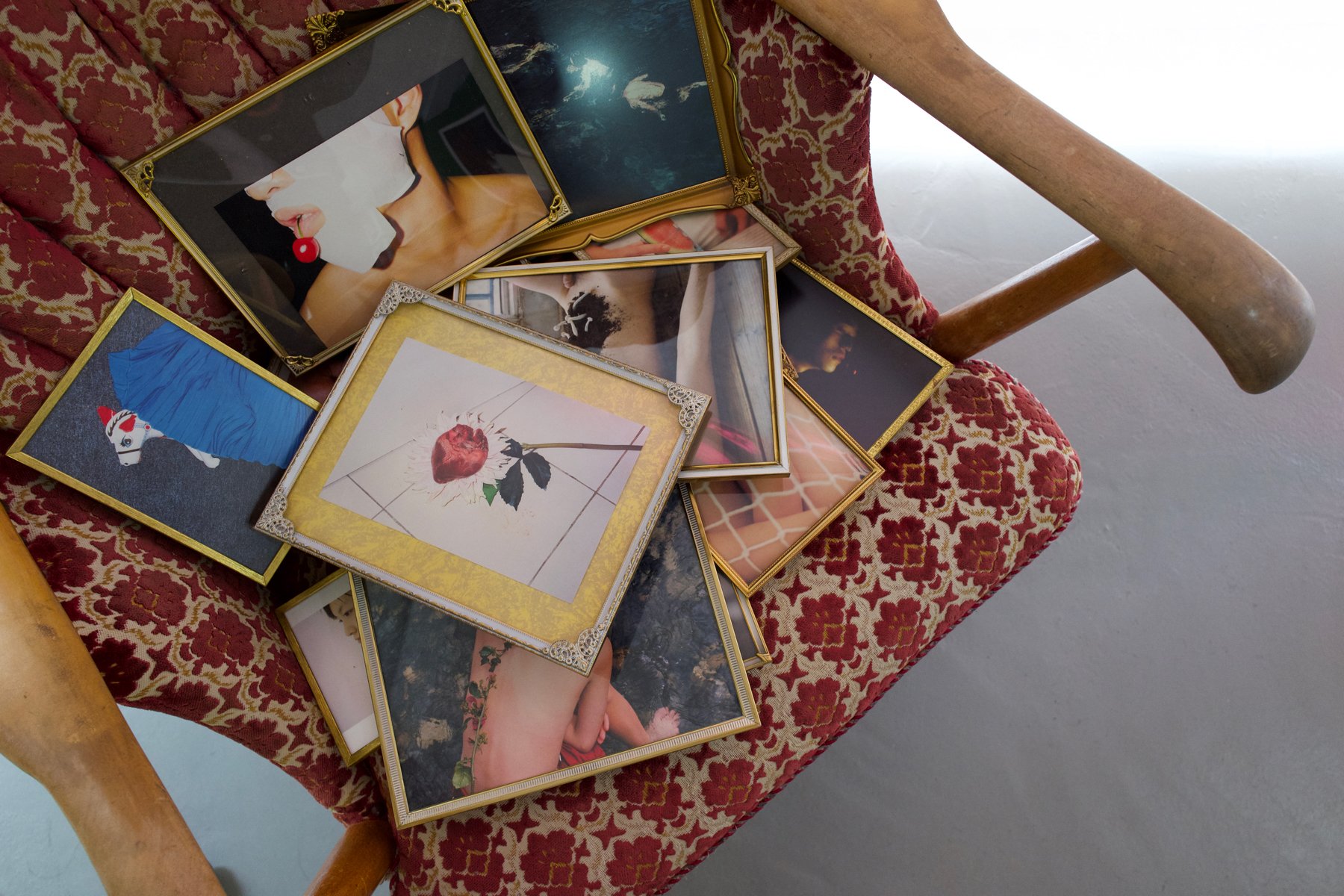
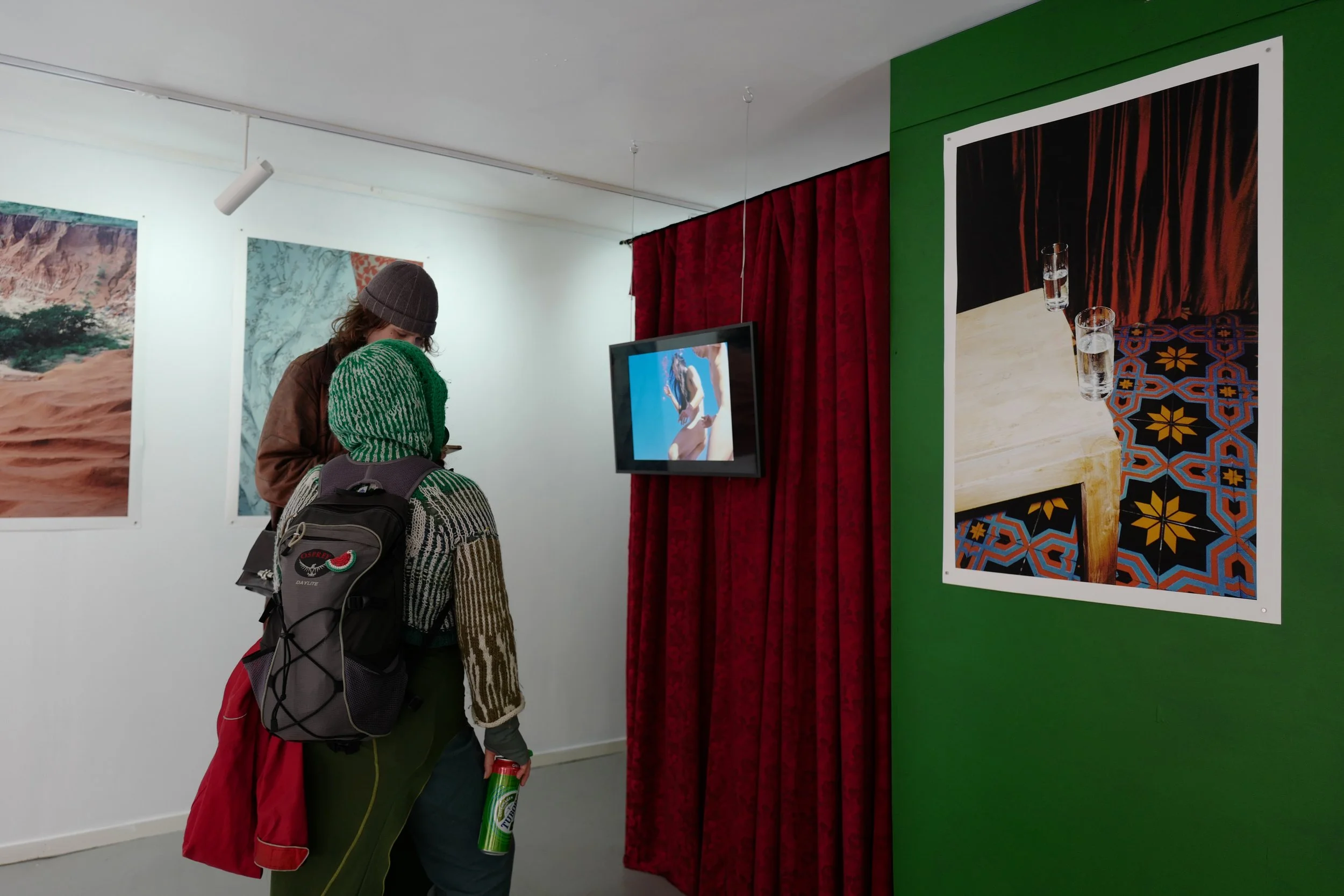
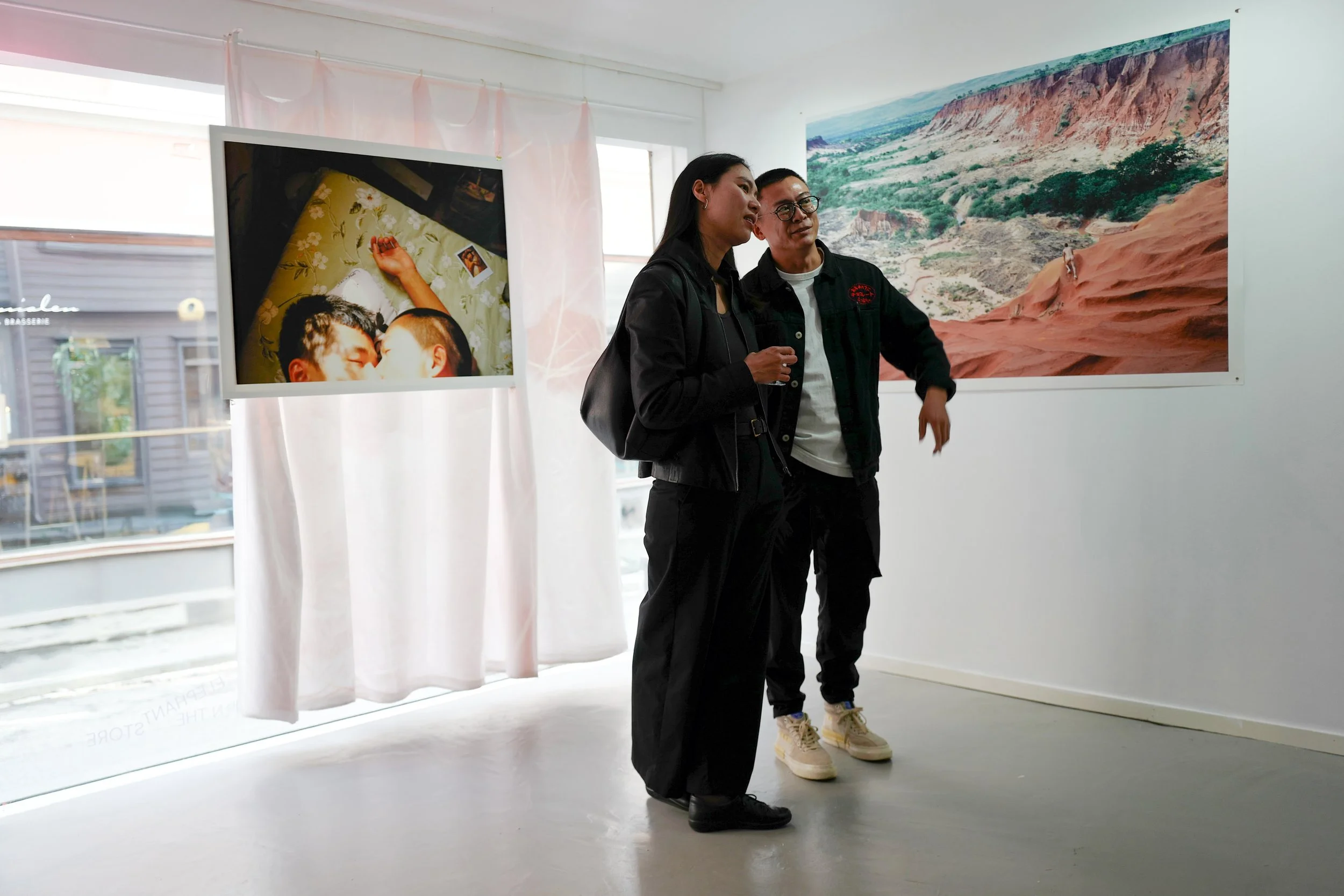
This exhibition at Northing is designed as an immersive experience that evokes the privacy of a southern Chinese household, with images and atmospheres that have defined Lin Zhipeng’s artistic career. Some of the works—due to their explicit visual expression—have never before been exhibited or published in his home country.
Suspense: About those pledges, lost in the wild like a hare, unforeseeably mysterious.
– Lin Zhipeng (No.223)
I wish I could have known Lin as well as I know his works. But I must confess that, until this moment—typing this statement for his upcoming exhibition at our art space—I haven’t met or spoken to him in person. So, I don’t have a dozen anecdotes up my sleeve to spice things up.
My image of him is pieced together from his works and the articles written by his friends, many of which appear in his new book - La Liberté ou L’Amour Lin Zhipeng (No.223) 20th Anniversary Photobook , La Liberté ou l’Amour, to be published by our imprint, Kinakaal, shortly after the exhibition opens. So be warned: this text may be highly presumptuous—and possibly biased.
Lin was born in a sunny southern city with an average temperature above 25 degrees, which gave him a tanned, healthy complexion and a buoyant temperament. Like many in our generation who grew up before the internet and social media consumed our attention, Lin’s teenage years bore the imprint of Japanese manga and fashion magazines. But instead of outgrowing them as many of us did, Lin transformed these early influences from popular culture into a unique visual language—one that has never aged since the day he picked up his first camera: a Nikon SLR, a gift from his sister.
Many have praised Lin for his courage to break boundaries. But I doubt he ever paid much attention to those boundaries—whether conventional, moral, or political—just as birds soaring through the sky never see the borders between civilisations and nations. Such boundaries must have seemed meaningless, even preposterous, to those born with a free spirit.
The proof lies in the sincerity and almost childlike innocence and curiosity found in Lin’s images, which are seldom—if ever—deliberately provocative or politically confrontational, as some Western critics might wish them to be. Instead, there is always a bold young mind behind the viewfinder (though not often, the screen), ready to embrace any kind of inspiration or impulse that crosses the lens. This is the uncompromising openness of an innately free spirit—one that rejects the filters of theory, ideology, methodology, and academic convention.
Some have also described him as a rebel, someone who didn’t conform to social norms. But if he simply followed his heart and instincts—the most natural path for him—and stayed true to himself, is he still a rebel? Or has the social norm itself drifted away from human nature?
If one is nevertheless perturbed by the wild hare that storms recklessly through their well-planned rose garden, perhaps the curses should not be cast upon the hare, but rather upon the cage—visible or not—that one hides behind for protection.
Ben Wenhou Yu
Article from Morgenbladet